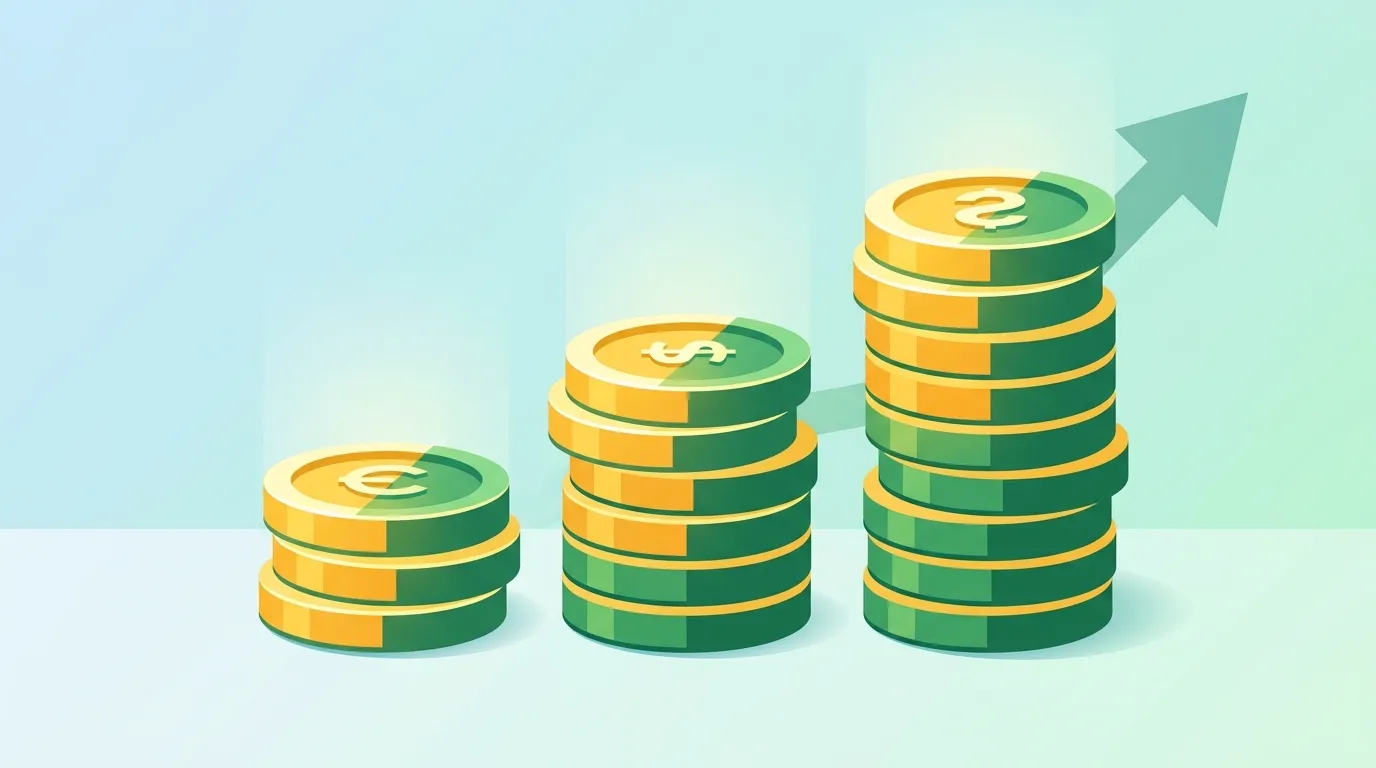

Life is inherently unpredictable. Whether it is an unexpected medical bill, sudden car repair, essential home maintenance, or a temporary interruption in household income, financial shocks can derail careful planning when there is no accessible cash reserve. An emergency fund provides a dedicated buffer that can help cover unexpected expenses without immediately relying on high-interest credit cards or personal loans.
Building and maintaining emergency savings is an important milestone in personal finance. A properly structured reserve can provide financial flexibility while allowing longer-term investments and retirement savings to remain focused on their intended goals.
Why an Emergency Fund Matters
Relying on credit cards, personal loans, or other borrowing during a financial emergency can increase the cost of an already difficult situation. Without dedicated savings, an unexpected expense can affect the rest of a household's budget for months.
- High-Interest Debt: A large unexpected expense placed on a credit card can become significantly more expensive when the balance is carried at a high APR.
- Investment Disruptions: Without sufficient cash reserves, investors may feel pressure to sell investments to cover immediate expenses, potentially during an unfavorable market period.
- Retirement Account Consequences: Taking money from certain retirement accounts before retirement age can result in taxes and penalties depending on the account, withdrawal, and individual circumstances.
- Financial Flexibility: Accessible savings can provide additional time to adjust spending, replace lost income, or address an unexpected bill without immediately turning to new debt.
Determining Your Emergency Fund Goal
There is no single emergency fund amount that works for every household. The appropriate target depends on income stability, monthly expenses, debt obligations, insurance coverage, household size, and access to other financial resources.
Start With a Smaller Cash Reserve
Households currently paying down high-interest debt may begin by establishing a smaller emergency savings target.
A reserve of $1,000 or another realistic initial amount can provide protection against smaller financial disruptions while additional cash flow is directed toward expensive debt.
The right starter amount depends on your circumstances. Someone whose car is essential for employment, for example, may need a larger initial reserve than someone with alternative transportation.
Build Toward Several Months of Essential Expenses
After establishing an initial buffer, many households work toward holding several months of essential expenses in accessible savings.
A household with stable employment and predictable expenses may have different requirements from a freelancer, commission-based worker, business owner, or single-income household.
When income is variable or replacing a job could take longer, maintaining a larger emergency fund may provide additional flexibility.
Calculate Essential Expenses
Start by identifying the expenses that would need to continue during a financial disruption.
These can include:
- Housing payments
- Utilities
- Groceries
- Basic transportation
- Minimum debt payments
- Essential insurance premiums
- Necessary healthcare expenses
- Other unavoidable household costs
Discretionary expenses such as entertainment, dining out, vacations, and optional subscriptions generally do not need to be included when calculating the minimum amount required to maintain basic living expenses.
Where to Keep Emergency Savings
An emergency fund should prioritize safety and liquidity rather than investment returns. Money designated for emergencies generally should not depend on stock-market performance being favorable when you need it.
High-Yield Savings Accounts
A high-yield savings account can be a practical option for emergency savings because it combines relatively easy access with interest earnings.
The annual percentage yield (APY) is an important consideration, but it should not be the only factor when comparing savings accounts.
Look at:
- Savings APY
- Monthly maintenance fees
- Minimum balance requirements
- Minimum opening deposit
- Transfer and withdrawal policies
- ATM access
- Mobile and online banking features
- Deposit insurance
Savings APYs can change over time, so the rate available when an account is opened is not necessarily permanent.
Deposits held at FDIC-insured banks are generally insured up to $250,000 per depositor, per insured bank, for each ownership category. Federally insured credit unions generally provide comparable protection through the NCUA under applicable coverage rules.
Money Market Accounts
Money market accounts are another potential option for emergency savings. Depending on the institution, they may provide savings features alongside check-writing or debit-card access.
Some accounts may require a minimum balance or impose fees, so compare the specific account terms rather than assuming all money market accounts work the same way.
Cash Management Accounts
Some financial platforms offer cash management accounts that provide banking-style features while holding customer funds through affiliated banks or other structures.
If using one for emergency savings, verify where the money is held, what type of protection applies, and how quickly funds can be accessed.
Step-by-Step Strategy to Build an Emergency Fund
1. Open a Dedicated Savings Account
Opening a separate high-yield savings account can make emergency savings easier to track and reduce the temptation to spend the money on routine purchases.
The account does not necessarily need to be at a different institution. A separate account at your existing bank can be sufficient if it creates a useful distinction between everyday spending and emergency savings.
2. Automate Your Contributions
Automatic savings transfers can turn emergency-fund contributions into a regular part of your cash flow.
For example, transferring $50 or $100 from each paycheck can gradually build a reserve without requiring a new manual decision every month.
If your income changes frequently, consider adjusting the contribution when your cash flow allows rather than setting an amount that is difficult to maintain.
3. Direct Part of Windfalls to Savings
Tax refunds, work bonuses, gifts, freelance income, and other unexpected cash inflows can accelerate progress toward an emergency-fund goal.
You do not have to direct every windfall toward savings. However, allocating part of an unexpected payment toward an underfunded emergency reserve can strengthen your cash position without reducing your regular monthly budget.
4. Keep Planned Expenses Separate
Not every large expense is an emergency.
Annual insurance premiums, property taxes, holiday spending, tuition, planned travel, and routine vehicle maintenance may be expensive, but they can often be anticipated.
Creating separate savings categories for these expenses prevents predictable bills from repeatedly draining the emergency fund.
5. Rebuild the Fund After Using It
An emergency fund is designed to be used when a genuine financial emergency occurs. Using the money does not mean the strategy failed.
After an unexpected withdrawal, review the remaining balance and temporarily increase savings contributions if possible.
It can also be useful to determine whether the expense reveals a new recurring savings need. For example, repeated vehicle repairs may justify creating a separate vehicle-maintenance fund.
Emergency Savings and High-Interest Debt
Building emergency savings while carrying high-interest debt requires balancing two competing priorities.
A household may benefit from maintaining an initial cash reserve while directing additional available income toward expensive credit card balances. Once high-interest debt has been reduced, more cash flow can potentially be redirected toward expanding emergency savings.
Debt consolidation or a lower-interest personal loan may be considered in certain circumstances, but these options should be evaluated based on the actual interest rate, fees, repayment period, and eligibility requirements.
The objective is to avoid replacing one financial problem with another.
Review Your Emergency Fund Regularly
Your emergency-fund target should change when your financial circumstances change.
A new job, change in income, home purchase, new dependent, major loan, insurance change, or significant increase in monthly expenses can alter the amount of cash you need.
Review your essential expenses periodically and check whether your savings account still provides appropriate APY, fees, access, and deposit insurance.
Building a More Resilient Financial Foundation
An emergency fund is not designed to maximize investment returns. Its primary purpose is to provide accessible cash when an unexpected financial event occurs.
A dedicated high-yield savings account, automated contributions, separate savings categories, and a clearly defined target can make the process easier to manage.
Once an appropriate emergency reserve is established, additional cash flow can be directed toward other financial priorities, including paying down high-interest debt, contributing to retirement accounts, or investing for longer-term goals.
The goal is not to predict every financial emergency. It is to create enough liquidity that an unexpected expense does not automatically become a long-term financial setback.
References
- Federal Deposit Insurance Corporation (FDIC): Deposit Insurance and Consumer Banking Resources — fdic.gov
- Consumer Financial Protection Bureau (CFPB): Emergency Savings and Financial Resilience — consumerfinance.gov
- National Credit Union Administration (NCUA): Share Insurance Coverage — ncua.gov
- Financial Industry Regulatory Authority (FINRA): Saving and Investing Resources — finra.org