
A credit card grace period can allow cardholders to use their credit card for purchases without paying interest, provided they meet the conditions established by the issuer. For many cards, that generally means paying the full statement balance by the payment due date.
The concept sounds simple, but grace periods can become complicated when a cardholder carries a balance, makes a balance transfer, uses a cash advance, or misses a payment. The exact rules also depend on the card agreement because credit card companies are not required to offer a grace period. (consumerfinance.gov)
Understanding when the grace period applies—and when it does not—can help consumers avoid unexpected interest charges.
What Is a Credit Card Grace Period?
A grace period is the period between the end of a billing cycle and the payment due date during which qualifying purchases can generally be paid without interest.
The CFPB explains that most credit cards provide a grace period for purchases, although issuers are not required to offer one. If a card provides a grace period and the cardholder is not carrying a balance, paying the balance in full by the due date can allow purchases to avoid interest. (consumerfinance.gov)
For example, imagine a billing cycle closes on September 5 and the payment due date is October 1. Purchases made during that billing cycle appear on the September statement. If the card's terms provide a qualifying grace period and the statement balance is paid in full by October 1, those purchases can generally avoid interest.
The exact dates and requirements vary by account.
Grace Period vs. Billing Cycle
These two terms are related but describe different parts of the credit card process.
A billing cycle is the period during which purchases, payments, credits, and other transactions are recorded for a particular statement.
The grace period generally follows the end of that billing cycle and extends to the payment due date for qualifying purchases.
For example, if a billing cycle runs from August 6 through September 5, transactions during that period are included in the statement generated after September 5. The grace period then gives the cardholder time to pay the qualifying balance without interest, assuming the account's terms provide a grace period and the required conditions are met.
The CFPB notes that credit card issuers must generally establish procedures to deliver or mail statements at least 21 days before the payment due date. (consumerfinance.gov)
Paying the Full Balance Is the Key
A grace period generally works differently from simply making the minimum payment.
If a card offers a grace period on purchases, paying only the minimum usually does not preserve the interest-free treatment of the remaining purchase balance. To avoid purchase interest, the consumer generally needs to pay the full balance subject to the grace period by the due date. (consumerfinance.gov)
Consider a statement with a $2,500 balance and a $75 minimum payment.
If the cardholder pays only $75, the account may remain current, assuming the minimum payment satisfies the card's requirements. However, the remaining balance may begin accruing interest according to the card's terms.
If the full $2,500 is paid by the due date and all grace-period conditions are satisfied, the cardholder can generally avoid purchase interest.
This distinction is important because avoiding a late payment and avoiding interest are not the same thing.
What Happens If You Carry a Balance?
Carrying a balance can cause a cardholder to lose the purchase grace period.
The CFPB explains that if a consumer does not pay the full balance by the due date, interest can be charged on the unpaid balance. New purchases may also begin accruing interest from the date each purchase is made. (consumerfinance.gov)
This can make new spending more expensive than expected.
For example, suppose a consumer carries a $1,500 balance from one month to the next and then makes another $400 purchase. If the grace period has been lost, the $400 purchase may begin accruing interest from its transaction date rather than receiving the normal interest-free period.
The exact treatment depends on the account agreement.
How to Regain a Grace Period
A lost grace period does not necessarily disappear permanently.
The card agreement will explain how the grace period can be restored. In many cases, the consumer must pay the full account balance on time for one or more billing cycles.
The CFPB's credit card contract definitions explain that when a cardholder fails to pay the full balance by the due date, the grace period may disappear. To regain it, the cardholder generally must again satisfy the full-payment requirement for the number of billing periods specified in the agreement. (consumerfinance.gov)
This means a consumer who begins paying in full again should not necessarily assume that every new purchase immediately becomes interest-free.
Grace Periods Usually Apply to Purchases
A major limitation is that grace periods generally apply to purchases rather than every type of credit card transaction.
Cash advances typically begin accruing interest from the transaction date rather than receiving a purchase-style grace period. The same can generally apply to checks issued through a credit card account. (consumerfinance.gov)
Balance transfers can have separate APRs and promotional terms.
This means consumers should not assume that because a card offers a grace period on purchases, every balance on the account is interest-free until the payment due date.
The statement and cardholder agreement should identify the applicable APRs and balance categories.
What About Balance Transfers?
Balance transfers can create a particularly confusing situation.
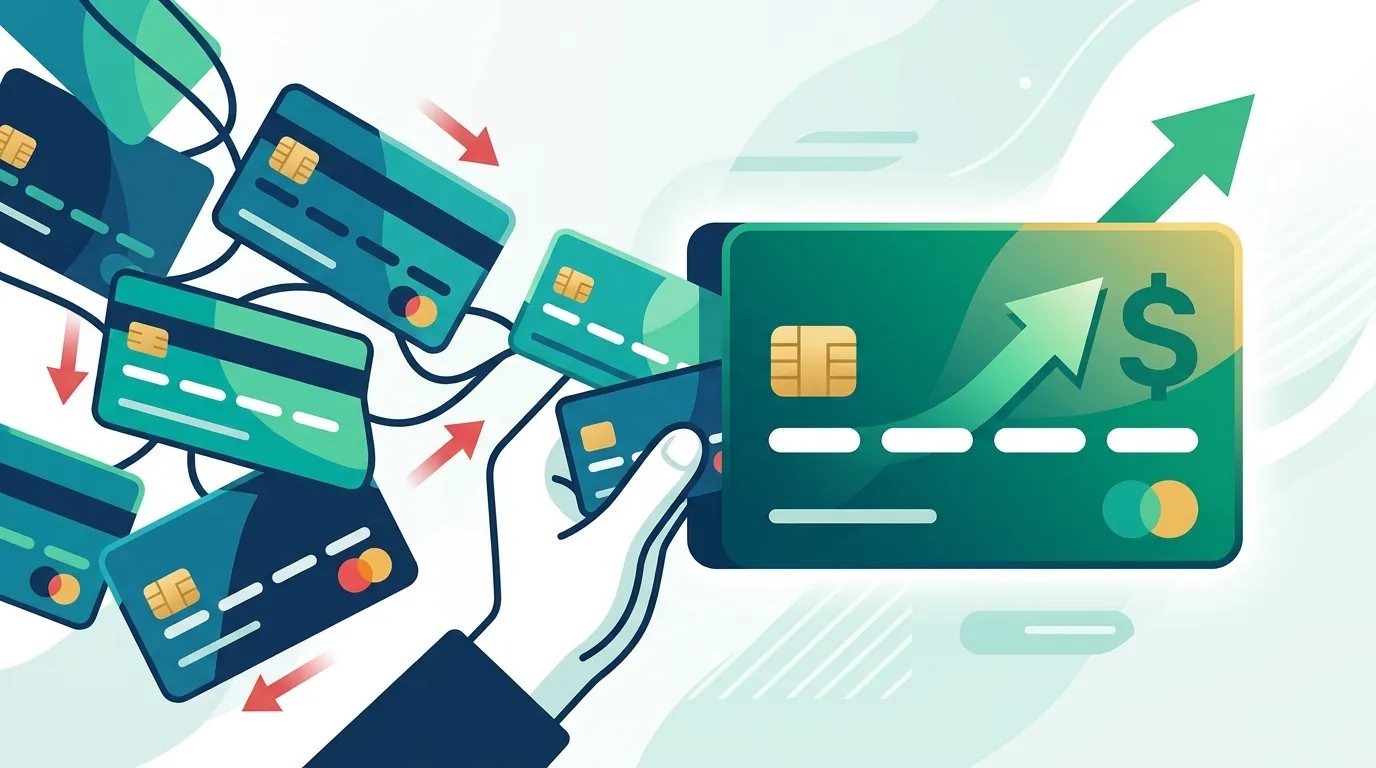
Suppose a consumer transfers $5,000 to a card with a 0% introductory balance-transfer APR while continuing to use the card for everyday purchases.
The transferred balance may not accrue interest during the promotional period, but new purchases can still accrue interest if the cardholder is carrying the transferred balance and has lost the normal purchase grace period. The CFPB specifically warns about this situation. (consumerfinance.gov)
This means a 0% balance-transfer offer does not necessarily make the entire account interest-free.
Consumers considering a balance transfer should review:
- The promotional APR
- The promotional expiration date
- The balance-transfer fee
- The purchase APR
- The cash-advance APR
- The rules for maintaining or regaining the purchase grace period
Using a separate card for new purchases can sometimes make the interest calculation easier to manage, although opening another account has its own implications.
Grace Periods and 0% Introductory APRs Are Different
A traditional grace period and a 0% introductory APR promotion are not the same thing.
A grace period generally means qualifying purchases can avoid interest when the required balance is paid in full by the due date.
A 0% introductory APR means a specified balance or transaction category has a temporary 0% interest rate for a defined period.
For example, a card might offer 0% APR on purchases for 12 months. During that promotional period, qualifying purchases generally do not accrue interest under the promotional terms, even if a balance remains.
Once the promotional period ends, the regular APR generally applies to the remaining balance.
The CFPB distinguishes these promotional arrangements from deferred-interest programs. (consumerfinance.gov)
Deferred Interest Is Not a Grace Period
Deferred-interest financing is another concept that can look similar to an interest-free period but operates differently.
A retail card might advertise a promotion such as "no interest if paid in full within 12 months."
Under a deferred-interest arrangement, interest can accumulate during the promotional period even though it is not immediately charged. If the promotional balance is not fully paid by the deadline, the issuer may charge the previously deferred interest according to the terms of the promotion. (consumerfinance.gov)
That is materially different from a traditional grace period.
The CFPB's Regulation Z commentary specifically states that deferred-interest programs are not considered grace periods for purposes of the applicable federal rules. (consumerfinance.gov)
Consumers should therefore read the exact promotional language before assuming that "no interest" means interest is not accumulating.
How Interest Is Calculated After the Grace Period
Once interest begins accruing, the issuer uses the calculation method specified in the card agreement.
Many credit card companies calculate interest daily based on the average daily balance. The applicable daily periodic rate is used to calculate interest based on the balance during the relevant period. (consumerfinance.gov)
This means that paying down a balance earlier can reduce interest when interest is accruing.
For example, if a consumer owes $4,000 and makes an additional $1,000 payment early in the billing cycle, the lower balance can reduce the interest that accumulates over the remaining days, depending on the issuer's calculation method.
The cardholder agreement provides the specific calculation rules.
Why the Payment Due Date Matters
The payment due date determines when the cardholder must satisfy the applicable payment requirement.
For a grace period, the critical issue is generally whether the qualifying balance is paid in full by the due date.
A payment can also be considered late if it is not received according to the issuer's stated requirements and cutoff time. The CFPB's credit card contract definitions explain that when a statement does not specify a time, payment is generally timely if received by 5 p.m. on the due date, subject to applicable rules and exceptions. (consumerfinance.gov)
Consumers who use mailed payments should allow additional time for delivery and processing.
Electronic payments may also have issuer-specific cutoff times.
Autopay Can Help Preserve the Grace Period
Automatic payments can reduce the risk of accidentally missing a due date.
A cardholder can generally arrange for a payment from a linked bank account, depending on the issuer's available options. Setting autopay to cover the full statement balance can help preserve a purchase grace period when the account terms require full payment.
However, consumers should make sure the linked bank account contains enough funds to cover the scheduled payment.
It can also be useful to review the statement each month rather than relying exclusively on automatic payments. That provides an opportunity to identify unexpected transactions, credits, fees, or changes in the balance.
What Happens After a Late Payment?
A late payment can have consequences beyond the immediate loss of a grace period.
Depending on the circumstances, the cardholder may face a late fee, interest charges, and other account consequences.
A late payment can also potentially be reported to the credit reporting companies when it reaches the applicable reporting threshold. Consumers should therefore distinguish between paying after the due date and paying a bill late enough to trigger credit-reporting consequences.
If a payment is missed, contacting the issuer promptly can help clarify what amount is currently owed and what steps are required to bring the account current.
Grace Periods and Credit Card Statements
The monthly statement contains information that can help determine whether a grace period applies.
Look for:
- Statement closing date
- Payment due date
- New balance or statement balance
- Minimum payment
- Purchase APR
- Other applicable APRs
- Interest charged
- Fees
- Promotional balances
- Special financing terms
The cardholder agreement provides additional details about how the grace period operates.
The CFPB notes that the agreement should explain which balances are subject to a grace period and the conditions that must be met. (consumerfinance.gov)
If the statement is unclear, contacting the issuer before making assumptions can prevent an unexpected interest charge.
How to Use a Grace Period Effectively
The simplest way to make use of a traditional purchase grace period is to pay the statement balance in full and on time.
A practical routine is to:
- Review the statement when it arrives.
- Confirm the statement balance and due date.
- Check for unexpected purchases or fees.
- Schedule payment for the full qualifying balance.
- Confirm that the payment was processed.
- Avoid carrying a balance unless you understand the resulting interest costs.
Consumers who cannot pay the full balance should understand that making the minimum payment can keep the account current without necessarily preserving the interest-free treatment of purchases.
Don't Confuse the Statement Balance With the Current Balance
A credit card's current balance can be different from the statement balance.
The statement balance reflects transactions included in the most recently completed billing cycle. The current balance can include newer purchases made after that cycle ended.
For example, a statement might show $1,000 due, while the current balance is $1,300 because the cardholder made another $300 in purchases after the statement closed.
If the account has a traditional grace period and the consumer is paying in full, the cardholder generally needs to pay the amount required by the grace-period terms, which is often the statement balance, rather than automatically paying every purchase made since the statement closed.
The exact requirements should be confirmed in the card agreement.
Questions to Ask Before Relying on a Grace Period
Before assuming purchases will be interest-free, check the account terms for several details.
Ask:
- Does this card provide a grace period on purchases?
- What must I pay to qualify?
- Does the grace period apply to every purchase?
- What happens if I carry a balance?
- How can I regain the grace period after losing it?
- Do balance transfers affect my purchase grace period?
- Do cash advances accrue interest immediately?
- What APR applies after a promotional period?
- When is my payment considered received?
These questions can reveal differences between cards that may otherwise appear similar.
Managing Interest With a Grace Period
A grace period can be one of the most useful features of a credit card when it is understood and used correctly.
For consumers who pay their qualifying statement balances in full every month, the grace period can allow purchases to be financed temporarily without purchase interest. But the benefit depends on satisfying the card's conditions.
Carrying a balance can cause the grace period to disappear, and new purchases may then begin accruing interest from their transaction dates. Cash advances generally follow different rules, while balance transfers and promotional financing can introduce additional complications. (consumerfinance.gov)
The most reliable approach is to read the cardholder agreement, understand which balances receive a grace period, and pay the required full balance by the due date when avoiding purchase interest is the goal.
A grace period is not simply extra time to make a minimum payment. It is a specific feature of the account that can determine whether qualifying purchases generate interest at all.
References
- Consumer Financial Protection Bureau — What Is a Grace Period for a Credit Card?
- Consumer Financial Protection Bureau — How Does My Credit Card Company Calculate the Amount of Interest I Owe?
- Consumer Financial Protection Bureau — Credit Card Contract Definitions
- Consumer Financial Protection Bureau — Interest on New Purchases After a Balance Transfer
- Consumer Financial Protection Bureau — Deferred Interest Credit Card Offers
- Consumer Financial Protection Bureau — Regulation Z, § 1026.54: Limitations on the Imposition of Finance Charges
- Consumer Financial Protection Bureau — Credit Card Grace Period Disclosure Requirements