
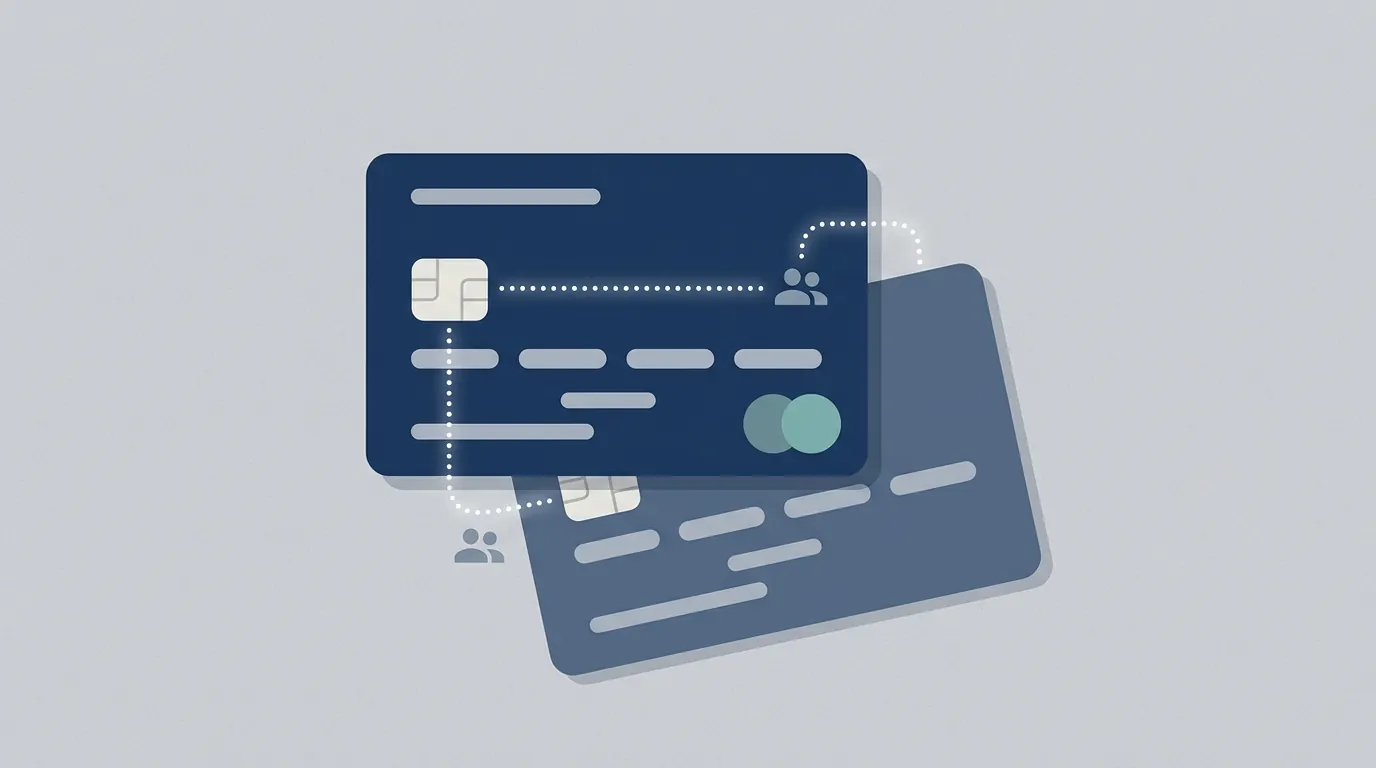
Adding another person to a credit card account can make household spending easier, provide a family member with access to credit, or help someone begin establishing a credit history. But an authorized user is not the same as a joint account holder, and the distinction can have important consequences for responsibility, credit reporting, and account management.
An authorized user is generally someone the primary cardholder permits to use a credit card account without becoming primarily responsible for repaying the debt. The account owner remains responsible for the balance, including charges made by authorized users. The Consumer Financial Protection Bureau (CFPB) specifically distinguishes authorized users from joint account owners and notes that authorized users generally are not obligated to repay the account debt.
Before adding someone to an account—or agreeing to become an authorized user—it is useful to understand how the arrangement works and where the financial responsibilities remain.
What Is an Authorized User?
An authorized user is a person who has permission from the primary cardholder to use an existing credit card account.
The issuer may provide the authorized user with a separate physical card connected to the same account. Purchases made with that card generally appear on the primary account and contribute to the overall balance.
The authorized user can typically use the card for purchases without having the same contractual responsibility for repayment as the primary cardholder.
The CFPB's credit card contract definitions describe an authorized user as someone the account holder asks the issuer to add to the account. The agency also explains that charges made by an authorized user are treated as authorized charges on the account.
Authorized User vs. Joint Account Holder
The distinction between these two arrangements is important.
An authorized user generally receives permission to use someone else's credit card account but is not the primary person responsible for the debt.
A joint account holder, by contrast, shares responsibility for the account under the applicable agreement.
The CFPB explicitly warns that an authorized user is different from a joint account owner.
For example, suppose a parent adds an adult child as an authorized user.
The child may receive a card and make purchases, but the parent remains responsible for paying the account.
If the parent and child instead establish a joint credit account, the legal and financial responsibilities can be substantially different.
Anyone considering either arrangement should read the issuer's account agreement rather than assuming the two structures work the same way.
Who Is Responsible for Authorized User Charges?
The primary cardholder generally remains responsible for the account balance.
That means an authorized user's purchases can become part of the debt the primary cardholder must pay.
This remains true even when the primary cardholder did not personally make the purchase.
The CFPB's credit card contract definitions state that a charge made by an authorized user is an authorized charge, including circumstances where the account holder later objects to the particular purchase.
This makes trust and communication important.
If someone is added to an account, the primary cardholder should establish clear expectations about what the card can be used for, how spending will be monitored, and whether the authorized user should reimburse the account holder.
An Authorized User Usually Does Not Have to Pay the Debt
Being an authorized user does not generally make someone personally liable for the account balance.
The CFPB states that an authorized user generally does not have an obligation to repay the debt, including after the death of the primary account holder.
This is one of the main differences between authorized users and people who jointly borrow or cosign.
However, consumers should not assume that every credit arrangement has the same legal structure. If someone believes they were incorrectly treated as responsible for an account, they can request documentation showing what agreement they actually entered into.
Can an Authorized User Build Credit?
Potentially, yes.
Credit card issuers may report authorized-user accounts to credit reporting companies. When an issuer reports the account, information about the account can appear on the authorized user's credit report.
That can make authorized-user status relevant to someone who is trying to establish a credit history.
However, the effect is not guaranteed.
Creditors are not required to report information to every credit reporting company, and reporting practices can differ between issuers.
A person considering becoming an authorized user should therefore ask whether the issuer reports authorized users and to which credit reporting companies.
The Primary Cardholder's History Can Matter
When an issuer reports an authorized-user account, information about that account can become part of the authorized user's credit history.
That may include information such as:
- Account age
- Payment history
- Credit limit
- Account balance
- Account status
The CFPB has documented that authorized-user accounts can contribute to a person's credit record. Its research also notes that some newer credit-scoring models may treat authorized-user accounts differently from accounts held directly by the consumer.
This means becoming an authorized user should not be viewed as equivalent to opening an individual credit card.
A lender evaluating a future application may distinguish between credit accounts the consumer owns directly and accounts on which the consumer is only an authorized user.
A Long-Established Account May Appear on the Authorized User's Credit Report
In some cases, an authorized user can benefit from the age of an existing account if the issuer reports the account history.
For example, a parent might add an adult child to a credit card that has been open for many years.
If the issuer reports the authorized-user relationship and the account history, some of that history may appear in the child's credit file. The CFPB has documented examples where an authorized user's credit record acquired the history of an existing account after being added.
The exact treatment depends on the issuer and the credit reporting and scoring systems involved.
Payment History Can Affect the Authorized User
The potential credit benefit also creates a potential downside.
If the primary cardholder consistently pays the account on time and maintains responsible balances, the reported account information may provide positive information for the authorized user.
If the account develops late payments, high balances, or other negative information, that information may also appear on the authorized user's credit report when the issuer reports it.
The CFPB advises consumers reviewing their credit reports to check whether accounts are correctly identified as accounts where they are authorized users rather than owners.
This makes the financial behavior of the primary cardholder particularly relevant.
Credit Utilization Can Matter
Credit utilization refers broadly to the amount of revolving credit being used relative to available credit.
Suppose a credit card has a $10,000 limit and a $2,000 balance.
The account is using 20% of its available credit.
If the balance rises to $9,000 while the limit remains $10,000, utilization becomes much higher.
When an authorized-user account is included in a credit report, the account's balance and credit limit can therefore become relevant to the authorized user's credit profile. The CFPB identifies both credit limits and balances as information that can appear on credit reports.
The precise effect on a credit score depends on the scoring model and the rest of the person's credit file.
Authorized Users Can Be Useful for Family Spending
One common reason for adding an authorized user is household convenience.
A spouse, partner, adult child, or other trusted family member can receive a card connected to the primary account.
This can make it easier to pay for shared expenses such as:
- Groceries
- Household purchases
- Travel
- Gas
- Recurring subscriptions
- Emergency expenses
The primary cardholder can manage the account through the issuer while allowing another person to make purchases.
The arrangement can be particularly convenient when the account holder wants to consolidate household spending on a single account.
Adding a Child Requires Extra Consideration
Some issuers allow parents to add minors as authorized users, while others impose age restrictions.
The exact rules vary by issuer.
The CFPB notes that children under 18 generally do not have credit reports, but an exception can occur when a minor is an authorized user or joint account holder on an adult's account.
Parents considering this arrangement should therefore check the issuer's minimum age, reporting policy, and cardholder terms.
Giving a child access to a credit card can also be an opportunity to establish clear spending rules, but the primary account holder remains responsible for the account.
An Authorized User Does Not Have to Receive Full Account Control
Adding someone as an authorized user generally does not make that person the account owner.
The primary cardholder retains responsibility for the account and can generally ask the issuer to remove the authorized user.
The CFPB recommends contacting the card issuer directly to request removal. The issuer may also recommend issuing a new card number if the removed user has access to the previous card information.
This can be particularly important after a relationship ends or when a family member should no longer have access to the account.
Removing an Authorized User Does Not Automatically Erase the Account History
Removing an authorized user and removing information from a credit report are separate issues.
Once the person is removed from the credit card account, the issuer may stop reporting the account as an active authorized-user relationship.
However, consumers should review their credit reports afterward to determine how the account is being reported.
The CFPB recommends checking credit reports for inaccurate information, including accounts incorrectly reported as belonging to the consumer when the person is actually only an authorized user.
If inaccurate information remains, the consumer can dispute it with the credit reporting company and the company that supplied the information.
What Happens if the Primary Cardholder Stops Paying?
If the primary cardholder misses payments, the consequences primarily fall on the account holder who is responsible for the debt.
However, if the account is being reported to the authorized user's credit file, negative account information may also affect that person's credit record.
The CFPB notes that negative payment information can generally remain on a credit report for up to seven years, while positive information can be reported for longer depending on the circumstances.
For that reason, someone should be cautious about becoming an authorized user simply because the primary cardholder has a large credit limit or long account history.
The payment record matters as much as the age of the account.
What if the Authorized User Makes Excessive Purchases?
The primary account holder is generally responsible for charges made by an authorized user.
If an authorized user spends more than expected, the account owner may have to pay the resulting balance.
This is why authorized-user access should generally be limited to people the account holder trusts.
The primary cardholder can establish a spending arrangement outside the issuer's formal account terms—for example, agreeing that the authorized user will reimburse certain purchases—but that private agreement does not necessarily change the cardholder's responsibility to the issuer.
Authorized Purchases Are Different From Unauthorized Use
An important distinction exists between an authorized user's spending and unauthorized use of a credit card.
If a person has been given permission to use the account, purchases made within that authorization are generally treated as authorized charges.
The CFPB explains that if you give someone your card to use, their use is authorized; even if they later use the card for a different purpose, the charges may remain the account holder's responsibility until the issuer is notified that the person is no longer authorized.
This is one reason to notify the card issuer promptly when removing an authorized user.
Simply telling the person that they are no longer allowed to use the card may not be enough to change the issuer's account records.
What if the Card Is Lost?
If an authorized user's physical card is lost or stolen, the primary cardholder should contact the issuer promptly.
The FTC recommends reporting a lost or stolen credit card immediately and following up with the issuer as appropriate. Federal law provides protections relating to unauthorized credit card use, but the applicable protections can depend on the circumstances and how quickly the loss is reported.
The account holder should also monitor recent transactions for purchases that were not authorized.
Authorized Users and Identity Theft
An authorized-user relationship should not be confused with identity theft or so-called credit repair "piggybacking."
The FTC has taken action against companies that charged consumers for being added as authorized users to strangers' accounts as a supposed method of improving credit scores. The FTC described such arrangements as "credit piggybacking" and alleged that consumers were sometimes added in name only without genuine access to the account.
Consumers should be cautious about paying a company to add them as an authorized user on an unfamiliar person's credit card.
A legitimate family or household arrangement is fundamentally different from paying a stranger or company for access to a credit account.
What to Consider Before Becoming an Authorized User
Before accepting an invitation to become an authorized user, consider several questions.
Does the issuer report authorized users?
Find out whether the account will actually appear on your credit reports.
How is the account managed?
Ask whether the primary cardholder generally pays on time and keeps balances under control.
What is the account history?
An established account can have a different effect from a newly opened account.
What is the current balance?
A high balance relative to the credit limit could be less useful than the account's age suggests.
Can you remove yourself later?
Ask the issuer what process applies if you no longer want to be associated with the account.
Will you actually use the card?
If you only want the potential credit-reporting benefit, understand that simply being an authorized user does not guarantee a particular credit-score outcome.
What Primary Cardholders Should Consider
Before adding another person, the primary cardholder should consider:
- Whether the person is financially trustworthy
- Whether the account has enough available credit for additional spending
- Whether spending limits should be established
- Whether the authorized user should reimburse purchases
- Whether the issuer provides transaction alerts
- What happens if the relationship changes
- How the authorized user will be removed
The account holder should also remember that adding another person does not transfer responsibility for the debt.
The balance remains the account holder's financial obligation under the account agreement.
Review Credit Reports After Major Changes
Both primary cardholders and authorized users can benefit from periodically reviewing their credit reports.
A credit report can show whether the account is being reported correctly, including account status, balance, credit limit, and payment history.
The CFPB specifically identifies an account incorrectly reported as belonging to someone who is only an authorized user as a potential credit-reporting error.
If something is inaccurate, consumers can contact both the credit reporting company and the business that supplied the information to dispute the error.
The Bottom Line
Authorized users can receive permission to use another person's credit card account without generally becoming responsible for repaying the account. The primary cardholder remains responsible for the balance, including authorized charges.
The arrangement can also affect credit reporting when the issuer reports authorized-user accounts. A well-managed account may contribute positive information, while a poorly managed account can create complications for the authorized user's credit profile.
The most important distinction is between access and responsibility. An authorized user can have access to a card without owning the underlying debt.
Before adding someone—or becoming an authorized user—review the issuer's reporting policies, account terms, spending expectations, and removal procedures. Understanding those details can prevent a convenient household arrangement from becoming an unexpected credit or financial problem.
References
- Consumer Financial Protection Bureau — Authorized Users and Liability for Credit Card Debt
- Consumer Financial Protection Bureau — Removing an Authorized User
- Consumer Financial Protection Bureau — Credit Report Errors
- Consumer Financial Protection Bureau — Authorized Charges and Authorized Users
- Consumer Financial Protection Bureau — Credit Reports
- Consumer Financial Protection Bureau — Becoming Credit Visible
- Federal Trade Commission — Lost or Stolen Credit Cards
- Federal Trade Commission — Credit Repair and “Credit Piggybacking”