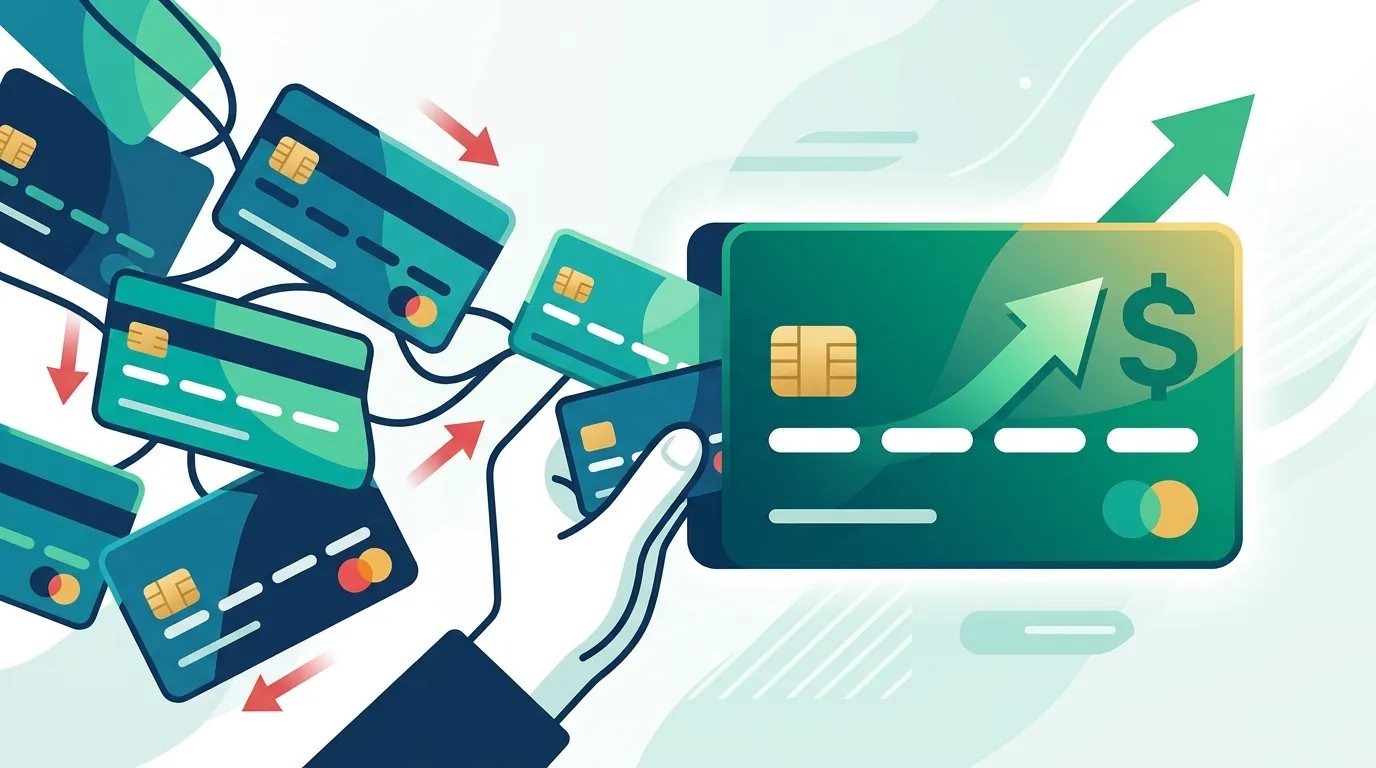

Building a credit history can be difficult when you have little or no borrowing experience. Lenders generally want to see evidence that you can manage credit responsibly, but establishing that record can be challenging when you have not yet had an opportunity to borrow.
Credit builder loans are designed specifically around this problem. Unlike a conventional personal loan, where the borrower receives the money at the beginning and repays it over time, a credit builder loan generally places the borrowed funds into a locked savings account while the borrower makes scheduled payments. Once the loan is completed, the accumulated funds are released to the borrower, subject to the lender's terms and any applicable interest or fees.
The structure allows borrowers to establish installment-loan payment history while potentially building savings at the same time. However, the product still has costs and obligations, and its usefulness depends heavily on whether the lender reports payments to the credit reporting companies.
What Is a Credit Builder Loan?
A credit builder loan is a type of installment loan intended to help consumers establish or strengthen a credit history.
With a conventional personal loan, the lender typically provides the borrowed money upfront. The borrower then uses those funds and makes monthly payments until the balance is repaid.
A credit builder loan works in the opposite direction.
The lender generally places the loan proceeds into a locked savings account. The borrower then makes monthly payments, which can include principal, interest, and fees. Once the loan reaches the end of its term, the funds are released according to the agreement.
The CFPB says credit builder loans commonly range from about $300 to $1,000 and often have terms of six to 24 months, although individual products can differ.
How a Credit Builder Loan Works
The basic process is relatively straightforward.
First, the borrower applies for a credit builder loan through a participating financial institution, such as a credit union, bank, or community-based lender.
If approved, the lender places the loan proceeds into a restricted or locked savings account.
The borrower then makes scheduled payments over the agreed term.
The lender reports qualifying payment activity to credit reporting companies when its program is structured to do so.
After the loan is paid according to the agreement, the borrower receives access to the accumulated funds, subject to the product's terms and any interest or fees.
This structure means the borrower is effectively making payments before receiving access to the loan proceeds.
Example of a Credit Builder Loan
Consider a hypothetical $600 credit builder loan with a 12-month term.
The lender deposits the $600 into a locked savings account.
The borrower makes monthly payments over the 12-month period. Suppose the total cost of interest and fees adds another $40 over the life of the loan.
The borrower would make payments totaling approximately $640.
At the end of the term, the $600 principal could be released to the borrower, depending on the lender's structure.
The $40 difference represents the cost of using the product in this hypothetical example.
The exact payment amount, interest rate, fees, and amount ultimately released vary by lender.
Why Credit Builder Loans Can Help Establish Credit
The primary purpose of a credit builder loan is to create a record of installment-credit payments.
When a lender reports the account to credit reporting companies, the account can appear on the borrower's credit report along with information such as the loan amount, account status, and payment history.
Making payments on time can help establish a positive payment history.
The CFPB specifically identifies credit builder loans as one option for consumers who want to establish or rebuild credit and notes that reported payments can help create a credit history.
However, the lender must actually report the account for it to contribute to the credit history of the borrower through that reporting relationship.
The Lender's Reporting Policy Matters
Not every financial product that is marketed as helping consumers manage money necessarily contributes to a traditional credit report.
Before applying for a credit builder loan, ask the lender:
- Which credit reporting companies receive payment information?
- Is every payment reported?
- Is the account reported as an installment loan?
- When does reporting begin?
- How are late payments reported?
- What happens after the loan is paid off?
The CFPB notes that creditors are not required to report to every credit reporting company.
This makes reporting policy one of the most important features to verify before opening an account.
Credit Builder Loans Can Also Build Savings
One distinctive feature of credit builder loans is the potential to accumulate savings while establishing credit.
Because the loan proceeds are generally held in a restricted account, the borrower does not have unrestricted access to the money during the repayment period.
This can create a forced-saving component.
The CFPB's research found that credit builder loans were associated with an increase in savings balances for some participants. In its 2020 evaluation, the average increase in savings among participants was $253.
The savings benefit is not guaranteed to be the same for every borrower, however. Financial circumstances, loan structure, fees, and the borrower's ability to complete the loan all matter.
You Do Not Usually Receive the Money Immediately
This is one of the biggest differences between a credit builder loan and a traditional personal loan.
With a conventional personal loan, the borrower generally receives the loan proceeds upfront.
With a credit builder loan, the money is generally held in a locked account while payments are made.
That means the product is usually not appropriate when someone needs immediate access to cash for an emergency, medical expense, home repair, or other purchase.
Its purpose is primarily credit building and savings accumulation rather than immediate borrowing.
Credit Builder Loans Can Have Interest and Fees
A credit builder loan is not necessarily free.
The borrower may pay:
- Interest
- Origination or administrative fees
- Monthly account fees
- Other charges specified in the loan agreement
The CFPB's research found that fees and interest vary between credit builder loan products.
Before opening an account, calculate the total amount that will be paid over the entire loan term.
A product that costs $50 to establish credit may have a different economic value from one that costs $200 for essentially the same reporting period.
Compare the Total Cost, Not Just the Monthly Payment
A low monthly payment can make a credit builder loan appear inexpensive.
But the total cost is more useful for comparison.
Suppose one loan requires:
$50 per month for 12 months = $600 in payments
Another requires:
$55 per month for 12 months = $660 in payments
If both ultimately release $600 to the borrower, the second option costs $60 more.
Looking at the total amount paid helps reveal the actual cost of the credit-building service.
Consumers should also confirm whether the savings account earns interest and whether that interest belongs to the borrower.
Payment History Is the Central Requirement
The potential credit benefit depends on making the scheduled payments according to the loan agreement.
A missed payment can undermine the purpose of the product.
The CFPB explains that payment history is an important part of establishing and maintaining a credit profile and that paying loans on time can help build a stronger credit history.
For that reason, borrowers should choose a payment amount they can comfortably afford rather than selecting a loan simply because they qualify.
The goal is not to take on the largest possible loan.
The goal is to establish a manageable pattern of on-time payments.
A Late Payment Can Have the Opposite Effect
Credit builder loans are not risk-free.
If a borrower misses payments, the account can potentially generate negative credit information depending on the lender's reporting practices.
Credit reporting companies can generally report most negative payment information for up to seven years, although the impact of negative information can change over time.
This makes affordability particularly important.
Someone who cannot comfortably make the monthly payment may be better off waiting until their finances are more stable rather than opening an account solely to build credit.
Credit Builder Loans Do Not Guarantee a Higher Score
A credit builder loan can contribute positive information to a credit report, but no particular product guarantees a specific credit-score increase.
Credit scores are calculated using information in credit reports, and different scoring models can evaluate that information differently.
The CFPB's research found that credit builder loans had different effects depending on participants' existing credit and debt situations. The product was particularly associated with improvements among participants who entered the study without existing debt.
The result therefore depends on the individual's starting credit profile and other financial activity.
Credit Builder Loans May Be More Useful for Thin Credit Files
Someone with no credit history may have difficulty demonstrating a history of responsible borrowing.
A credit builder loan can provide an installment account that creates reported payment activity when the lender reports it.
The CFPB has described credit builder loans as products designed for consumers without a credit score or those seeking opportunities to establish a positive repayment history.
This can be particularly relevant to:
- Young adults establishing credit
- Recent immigrants building a U.S. credit profile
- Consumers with thin credit files
- People who have never used installment credit
- Consumers rebuilding after limited credit activity
The product may be less useful for someone who already has several well-established installment accounts and a substantial positive credit history.
Credit Builder Loans vs. Secured Credit Cards
Both products can be used to establish credit, but they work differently.
A secured credit card generally requires the consumer to provide a refundable security deposit that establishes or supports the card's credit limit.
The consumer can then make purchases with the card and repay the balance.
A credit builder loan generally does not provide spending access. Instead, the lender holds the loan proceeds while the borrower makes installment payments.
The CFPB identifies both secured credit cards and credit builder loans as potential tools for consumers who are starting or rebuilding their credit.
The appropriate choice depends on whether the consumer wants a revolving credit account for purchases or an installment account primarily designed for credit building and savings.
Credit Builder Loans vs. Personal Loans
A traditional personal loan is generally intended to provide funds for a specific financial need.
The borrower receives the proceeds upfront and repays the loan through installments.
A credit builder loan reverses that sequence.
The lender holds the funds while the borrower makes payments, with the money becoming available later according to the loan terms.
Because of this difference, consumers should not choose a credit builder loan when their primary objective is obtaining cash immediately.
If the goal is financing a purchase or consolidating existing debt, a conventional loan may serve a different purpose.
Check Whether a Hard Inquiry Is Required
Applying for a loan can involve a credit inquiry.
The CFPB explains that lenders commonly perform hard inquiries when consumers apply for new credit, and hard inquiries can affect credit scores.
However, the inquiry process can vary by lender.
Before applying, ask whether the lender will perform a hard credit inquiry and whether there is a prequalification process that uses a soft inquiry.
This is particularly relevant for consumers who are trying to minimize new credit applications while establishing their credit history.
Credit Builder Loans and Existing Debt
A credit builder loan is not automatically appropriate for someone who already has substantial debt.
The CFPB's research found that participants without existing debt generally experienced stronger credit-related effects than participants who already had debt. The study also found that taking on a credit builder loan could make it harder for some borrowers to keep up with other loan payments.
This is an important consideration.
Adding another monthly payment simply to establish credit may create more financial pressure than the potential credit benefit justifies.
A borrower should first make sure existing obligations are comfortably manageable.
Check the Savings Account Terms
Because the loan proceeds are often held in a savings account, consumers should understand what happens to those funds.
Review:
- Where the money is held
- Whether the account earns interest
- Who owns the account during the loan
- When the money becomes available
- Whether early payoff changes the release date
- Whether fees are deducted from the savings balance
- What happens if the loan is paid off early
The exact structure can differ between financial institutions.
Do not assume that every credit builder loan operates identically.
What Happens When the Loan Is Paid Off?
Once all required payments have been completed, the lender generally releases the funds according to the loan agreement.
For some products, the borrower receives the accumulated principal at the end of the term.
For others, funds may become available incrementally as payments are made.
The CFPB explains that both structures exist in the credit builder loan market.
The account can then be closed or completed according to the lender's procedures.
The positive payment history may remain on the credit report after the loan is paid off, subject to the reporting practices and applicable credit-reporting rules.
Review Your Credit Reports
After opening a credit builder loan, it can be useful to verify that the account is being reported as expected.
Consumers can review their credit reports for:
- Correct account information
- Payment history
- Account balance
- Loan status
- Incorrect late payments
- Unexpected inquiries
- Other reporting errors
The CFPB recommends checking credit reports regularly and disputing inaccurate information with the relevant credit reporting company and the company that supplied the information.
Monitoring the account can also confirm whether the lender is actually reporting payments.
Do Not Pay a Company to "Repair" Accurate Negative Information
Credit builder loans are sometimes discussed alongside credit-repair services, but the two concepts are different.
A credit builder loan creates new payment history.
It does not erase accurate negative information from an existing credit report.
The CFPB warns consumers not to pay companies simply to remove accurate negative information. Accurate negative information generally cannot be removed merely because a consumer wants it removed.
If information is inaccurate, consumers can dispute it directly.
How to Choose a Credit Builder Loan
Before applying, consider the following:
Reporting: Confirm which credit reporting companies receive payment information.
Total cost: Calculate all interest and fees over the entire term.
Loan amount: Choose an amount that fits comfortably within your budget.
Term: Compare the number of months and total payments required.
Payment amount: Make sure the monthly obligation is sustainable.
Access to funds: Understand when and how the savings become available.
Credit inquiry: Ask whether the application involves a hard inquiry.
Early payoff: Check whether paying early changes fees, interest, or access to the funds.
Account terms: Read the full agreement before accepting the loan.
A Credit Builder Loan Is a Financial Tool, Not a Shortcut
A credit builder loan can provide a structured way to establish installment-credit history while accumulating savings.
But its value comes from consistent payment behavior, not simply opening the account.
The product also has a cost. Interest and fees reduce the amount of money the borrower ultimately gains from the savings component.
For someone with no established credit history, that cost may be reasonable if the product is affordable and reports consistently to the credit bureaus. For someone who already has substantial credit history or significant existing debt, another loan may provide less practical value.
The Bottom Line
Credit builder loans are structured differently from conventional personal loans. Instead of receiving the loan proceeds immediately, the borrower generally makes scheduled payments while the lender holds the funds in a locked savings account. At the end of the term, the accumulated funds are released according to the agreement.
The potential credit benefit comes from the reported payment history. Making payments on time can help establish a record of responsible installment-credit use, but the lender's reporting practices are critical.
Before opening an account, consumers should compare the total cost, monthly payment, loan term, reporting policy, credit inquiry requirements, and rules governing access to the savings.
A credit builder loan can be useful for someone who needs to establish credit and can comfortably manage the payments. It should not, however, be treated as a guaranteed way to increase a credit score or as a substitute for broader financial planning.
References
- Consumer Financial Protection Bureau — Ways to Start or Rebuild a Good Credit History
- Consumer Financial Protection Bureau — Targeting Credit Builder Loans
- Consumer Financial Protection Bureau — Credit Builder Loan Evaluation
- Consumer Financial Protection Bureau — What Is a Credit Report?
- Consumer Financial Protection Bureau — How Long Does Information Stay on a Credit Report?
- Consumer Financial Protection Bureau — What Is a Credit Inquiry?
- Consumer Financial Protection Bureau — When Should I Review My Credit Report?