
Debt can become difficult to manage when balances, interest charges, and minimum payments consume an increasing share of monthly income. When making the required payments is no longer straightforward, borrowers may encounter several forms of assistance, including debt management plans, debt settlement, consolidation, direct negotiations with creditors, and credit counseling.
These options are not interchangeable. Some focus on organizing repayment, while others attempt to reduce the amount owed. Some involve borrowing new money, while others work directly with existing creditors. The costs, risks, eligibility requirements, and potential effects on credit can vary considerably.
Understanding how each approach works before signing an agreement can help borrowers avoid replacing one financial problem with another.
Start by Understanding the Debt
Before choosing a debt-relief strategy, identify exactly what is owed.
Create a list of each account showing:
- Current balance
- Interest rate
- Minimum payment
- Payment due date
- Account status
- Whether the debt is secured or unsecured
- Whether the account is current, delinquent, or in collections
This information provides a clearer picture of the problem.
For example, someone with several credit cards that are current but carrying high interest rates may have different options from someone whose accounts are already in collections.
The underlying cause also matters. The CFPB recommends understanding why debt accumulated before pursuing consolidation or another repayment strategy. If spending consistently exceeds income, simply moving existing balances into a new loan may not resolve the underlying cash-flow problem.
Credit Counseling
Credit counseling generally focuses on helping consumers understand and manage their existing debt.
The CFPB says credit counseling organizations are usually nonprofit organizations that provide advice about money and debt, budgeting assistance, educational resources, and, in some cases, debt management plans.
A counseling session can involve reviewing income, expenses, creditors, interest rates, and available repayment options.
A counselor may determine that a borrower can handle the debt independently with a revised budget. In other cases, the counselor may recommend a formal debt management plan.
Credit counseling does not automatically mean enrolling in a debt management program. Consumers can seek financial guidance first and decide later whether a formal arrangement is appropriate.
Debt Management Plans
A debt management plan, sometimes called a DMP, is different from debt settlement.
Under a typical plan, the consumer makes one payment to the credit counseling organization, which then distributes payments to participating creditors. The counselor may negotiate with creditors for lower interest rates, reduced fees, or an extended repayment schedule.
The underlying principal generally is not simply erased.
Instead, the goal is to make repayment more manageable and organized.
A DMP can be useful for someone who has enough income to repay the debt but is struggling with high interest rates, multiple payment dates, or an unmanageable monthly structure.
Before enrolling, ask:
- Which creditors will participate?
- What interest-rate reductions are available?
- How long will repayment take?
- What fees will the counseling organization charge?
- What happens if a payment is missed?
- Will accounts need to be closed?
- How will the arrangement affect access to new credit?
The CFPB recommends obtaining the terms and fees in writing and confirming that creditors have accepted the proposed arrangement.
Debt Settlement
Debt settlement takes a different approach.
A settlement company typically attempts to negotiate with creditors or debt collectors so that the borrower pays less than the amount originally owed.
The CFPB warns that debt settlement can carry substantial risks. Companies may encourage consumers to stop making payments while funds are accumulated for a proposed settlement. During that period, late fees and interest can continue to increase the balance, while missed payments can damage credit and increase collection activity.
There is also no guarantee that every creditor will agree to settle.
A settlement company may be unable to reach an agreement with some creditors, meaning the borrower could remain responsible for those accounts while also paying fees associated with the settlement service.
Debt settlement therefore needs to be evaluated based on the entire process rather than the advertised percentage reduction.
Negotiating Directly With Creditors
Consumers do not necessarily need a third party to negotiate repayment terms.
If a borrower is struggling to make credit card payments, the CFPB recommends contacting the card issuer immediately. Some card companies may be willing to modify payments or provide other assistance when a borrower is experiencing financial difficulty.
Possible arrangements vary by creditor and circumstances.
A borrower might ask about:
- Lower temporary payments
- Reduced interest rates
- Waived or reduced fees
- Extended repayment periods
- Hardship programs
- Payment plans
Direct negotiation can also eliminate the cost of hiring a debt-relief company.
When an agreement is reached, obtain the terms in writing and confirm exactly how payments will be applied.
Debt Consolidation
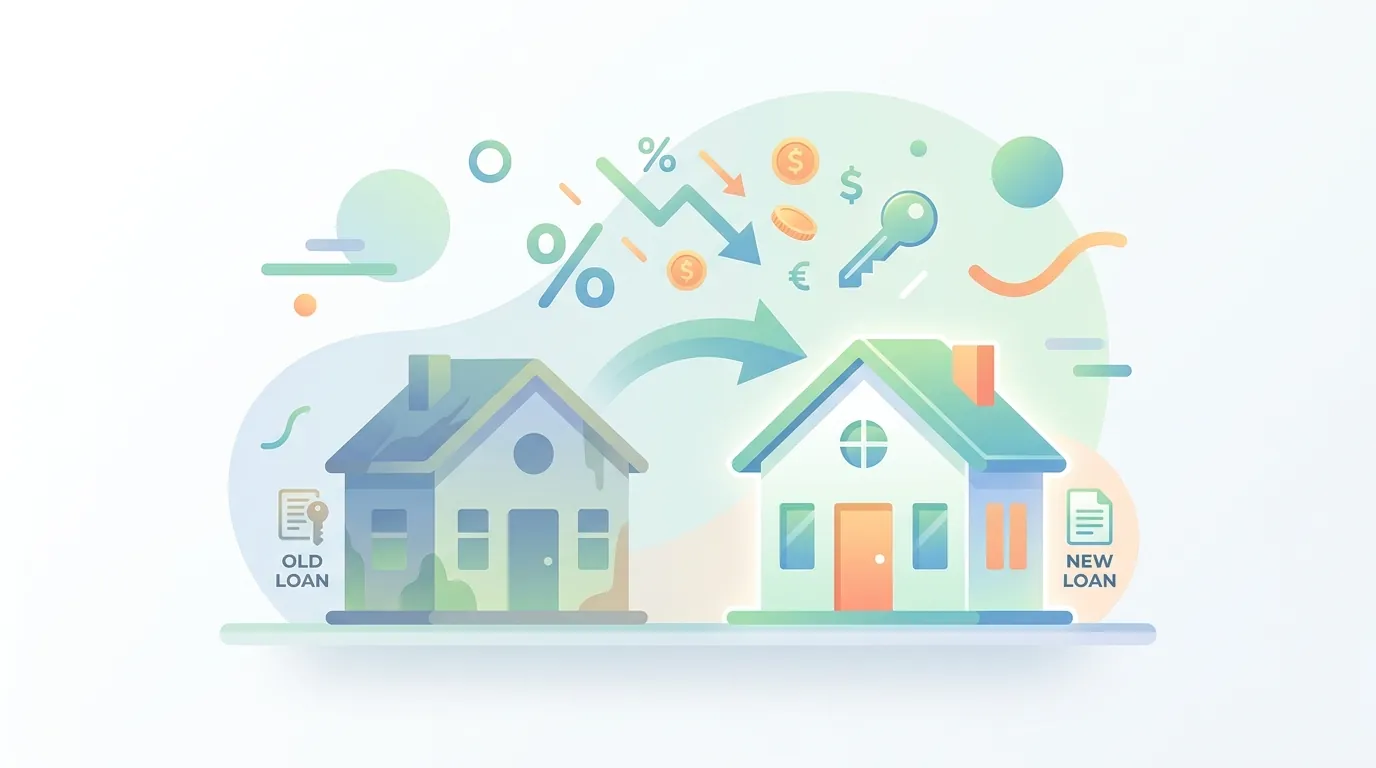
Debt consolidation involves combining multiple debts into one payment, often through a new loan.
Banks, credit unions, and other lenders can offer consolidation loans. The new loan is used to pay existing debts, leaving the borrower with one repayment obligation.
Consolidation can simplify debt management and may reduce the interest rate if the borrower qualifies for favorable financing.
However, a lower monthly payment does not necessarily mean lower total cost.
A longer repayment period can reduce the monthly obligation while increasing the total interest paid. Promotional or variable rates can also change the economics of the arrangement.
Before consolidating, compare:
- New APR
- Existing interest rates
- Origination fees
- Loan term
- Monthly payment
- Total repayment
- Whether the rate can change
- Whether existing accounts will remain open
The CFPB specifically recommends considering the loan's length, fees, and total costs rather than focusing only on the new monthly payment.
Credit Card Balance Transfers
A balance transfer can also consolidate revolving debt without using a traditional personal loan.
Some credit card issuers offer promotional interest rates on transferred balances for a specified period. The borrower moves existing balances to the new card and attempts to pay them down before the promotional period ends.
The economics depend heavily on the transfer fee, promotional period, ongoing APR, and repayment pace.
A balance transfer can become less useful if the borrower cannot significantly reduce the balance before the promotional rate expires.
Consumers should also review the card agreement for the applicable fees and terms rather than assuming the advertised promotional rate applies indefinitely.
Personal Loans for Debt Consolidation
A personal installment loan can replace several revolving balances with one scheduled payment.
The CFPB describes personal installment loans as closed-end loans in which borrowers receive funds upfront and generally repay them through scheduled installments over a defined period.
The potential advantage is predictability.
Instead of having multiple credit card balances with potentially changing interest charges, the borrower may have a fixed-rate installment loan with a defined payoff date.
But the loan's APR and fees must be compared with the existing debt.
A lower monthly payment can simply mean the debt has been stretched over a longer period. If the borrower continues using the original credit cards after consolidation, total debt can increase rather than decrease.
Bankruptcy as a Separate Option
For some consumers, debt has become so extensive that ordinary repayment strategies are no longer realistic.
Bankruptcy is fundamentally different from credit counseling, settlement, or consolidation. It is a legal process with significant consequences and different rules depending on the type of bankruptcy and the borrower's circumstances.
The CFPB notes that consumers who cannot afford to pay what they owe may want to consider bankruptcy and consult a bankruptcy attorney to understand the process.
Because bankruptcy can affect assets, debts, credit, and future financial decisions, it should be evaluated with qualified legal advice rather than treated as another debt-relief product.
How Credit Can Be Affected
Debt-relief strategies can have different effects on credit.
Credit counseling itself is not the same thing as defaulting on debt. However, a debt management plan may involve changes to credit accounts, and the individual creditor's reporting practices and account status matter.
Debt settlement can have a more direct negative effect when consumers stop making payments while waiting for funds to accumulate for settlement. The CFPB warns that this can result in additional fees and interest, collection efforts, lawsuits, and damage to credit.
Consolidation can also affect a credit profile because applying for new credit, opening a new account, paying off existing accounts, and changing balances can all alter information reported to consumer reporting companies.
The credit consequences should therefore be considered alongside the financial cost.
Taxes Can Matter With Settled Debt
Debt settlement can create a tax issue that borrowers sometimes overlook.
When a creditor forgives or cancels part of a debt, the amount forgiven may potentially be treated as taxable income, although exceptions and exclusions can apply.
The IRS provides rules governing canceled debt and Form 1099-C reporting. Borrowers who receive debt forgiveness should review the applicable tax rules and consider consulting a qualified tax professional when the amount is significant or their circumstances are complicated.
This means a settlement advertised as reducing the amount owed does not necessarily represent the complete economic result.
The borrower should consider the settlement amount, service fees, remaining obligations, and any potential tax consequences.
Watch for Debt-Relief Scams
Financial distress can make consumers particularly vulnerable to companies promising rapid solutions.
The FTC warned in March 2026 that scammers may promise to eliminate debt or obtain fast forgiveness while demanding money or personal information. The agency advises consumers to be particularly cautious about companies that demand payment before providing the promised service or guarantee that all debts will be settled.
Warning signs include:
- Guaranteed debt elimination
- Promises to settle every account
- Pressure to make an immediate payment
- Requests for upfront fees before a settlement occurs
- Instructions to stop communicating with creditors
- Claims of a special government program
- Unexpected calls or texts requesting financial information
The FTC recommends obtaining information about a credit counseling organization's services before providing details about your financial situation and checking the organization's fees and reputation.
Understand Debt Settlement Fees
Fees deserve particular attention when evaluating settlement companies.
The CFPB explains that federal rules restrict when debt settlement companies can collect certain fees for services involving debt relief. Generally, companies cannot charge a fee before they have achieved a successful result, an agreement has been reached with the creditor or collector, and the consumer has made a payment under that agreement.
Consumers should still read the actual contract carefully.
Ask:
- How is the fee calculated?
- Is it based on the amount enrolled or the amount saved?
- When does the company receive payment?
- Are there separate account-management fees?
- What happens if some debts cannot be settled?
- What happens if the consumer leaves the program?
A low advertised fee can be misleading if other charges accumulate throughout a lengthy settlement process.
Working With a Debt Collector
Once an account has been sent to collections, borrowers may have additional options for negotiating directly with the debt collector.
The CFPB explains that consumers can make a repayment or settlement proposal and should obtain the agreement in writing before making a payment. Written documentation should clearly state the amount to be paid and what the creditor or collector will do after the agreed payment is completed.
Consumers should also make sure they understand what debt is being discussed and whether they dispute the balance.
If a collector is contacting someone about a debt that may not be owed, the consumer should request information validating the debt and understand applicable consumer-protection rights.
Choosing an Approach Based on the Situation
There is no single debt-relief method that fits every borrower.
Someone who has enough income to repay their debt but struggles with high interest rates may benefit from counseling or a debt management plan.
Someone with multiple high-interest balances may consider consolidation if the new financing genuinely lowers the overall cost and the underlying spending problem has been addressed.
Someone who cannot realistically repay the full balances may investigate settlement, direct negotiation, or legal options, while understanding the associated risks.
A borrower experiencing a temporary financial setback may first want to contact individual creditors and request hardship assistance.
The important distinction is between reducing the cost of repayment, reducing the amount owed, and simply changing the payment structure. Those outcomes are not the same.
Questions to Ask Before Signing Up
Before working with a debt-relief provider, ask for specific answers to several questions.
What exactly will the company do?
A vague promise to “fix” debt is not enough. Request a detailed explanation of the process.
How much will it cost?
Get all fees in writing, including setup, monthly, account, and settlement-related charges.
Will I be asked to stop paying my creditors?
If the answer is yes, understand the potential consequences before proceeding.
Which creditors are expected to participate?
Not every creditor may agree to the proposed arrangement.
How long could repayment or settlement take?
Longer programs can mean additional interest, fees, or collection exposure.
How will my credit be affected?
Ask what happens to account reporting during the program.
What happens if the program fails?
Understand your obligations if one or more debts cannot be resolved.
Build a Plan Around the Underlying Problem
Debt relief works more effectively when it addresses the reason debt became difficult to manage.
Start with a realistic household budget.
Separate essential expenses from discretionary spending. Review recurring subscriptions, financing costs, insurance, housing, transportation, and other major categories.
Then determine whether monthly income can support a sustainable repayment plan.
The CFPB recommends creating a budget and examining spending and income before pursuing debt consolidation. It also encourages borrowers to contact creditors directly when they are having difficulty making payments.
If the budget shows that expenses consistently exceed income, changing the repayment structure alone may not solve the problem.
Final Considerations
Debt relief can take several forms, and the differences matter.
Credit counseling focuses on financial education, budgeting, and repayment planning. A debt management plan can organize payments and may help reduce interest rates or fees. Debt consolidation replaces several debts with a new financing arrangement. Debt settlement attempts to negotiate a reduced payoff but can involve significant credit, collection, fee, and tax risks. Direct negotiation with creditors can sometimes provide another path without hiring a third party.
Consumers should evaluate the complete financial effect rather than focusing on a company's advertised savings percentage or monthly payment.
Before signing up, understand the fees, timeline, creditor participation, credit implications, and consequences if the arrangement does not work as expected.
Most importantly, be cautious about promises that sound too simple. The FTC and CFPB both warn that debt-relief scams frequently rely on guarantees, upfront payments, or promises to eliminate debt quickly.
A sustainable debt strategy should make the repayment problem clearer—not introduce another layer of uncertainty and expense.
References
- Consumer Financial Protection Bureau — What Is the Difference Between Credit Counseling and Debt Settlement, Debt Consolidation, or Credit Repair?
- Consumer Financial Protection Bureau — What Is a Debt Relief Program and How Do I Know if I Should Use One?
- Consumer Financial Protection Bureau — What Is Credit Counseling?
- Consumer Financial Protection Bureau — What Should I Do if I Can't Pay My Credit Card Bills?
- Consumer Financial Protection Bureau — What Do I Need to Know About Consolidating My Credit Card Debt?
- Consumer Financial Protection Bureau — How Do I Negotiate a Settlement With a Debt Collector?
- Consumer Financial Protection Bureau — Debt Collection Basics
- Federal Trade Commission — Looking for Debt Relief? Here's How to Avoid a Scam
- Federal Trade Commission — How To Get Out of Debt