Personal loans occupy a middle ground between highly specific financing products and revolving credit. A mortgage is designed around real estate, an auto loan is tied to a vehicle, and a credit card provides reusable access to a revolving line. Personal loans, by contrast, can provide a lump sum that borrowers use for a range of expenses.
The flexibility can make personal loans useful when an expense does not fit neatly into another financing category. Borrowers may use them for debt consolidation, major purchases, home projects, unexpected bills, moving expenses, or other substantial costs.
That flexibility does not make every personal loan economical for every situation. Interest rates, APR, fees, repayment terms, credit requirements, and monthly obligations all matter. The CFPB describes personal installment loans as closed-end loans in which borrowers receive money upfront and generally repay it through fixed payments over a defined period.
Understanding why people use personal loans—and when another form of financing might make more sense—can help borrowers evaluate the decision more carefully.
Debt Consolidation
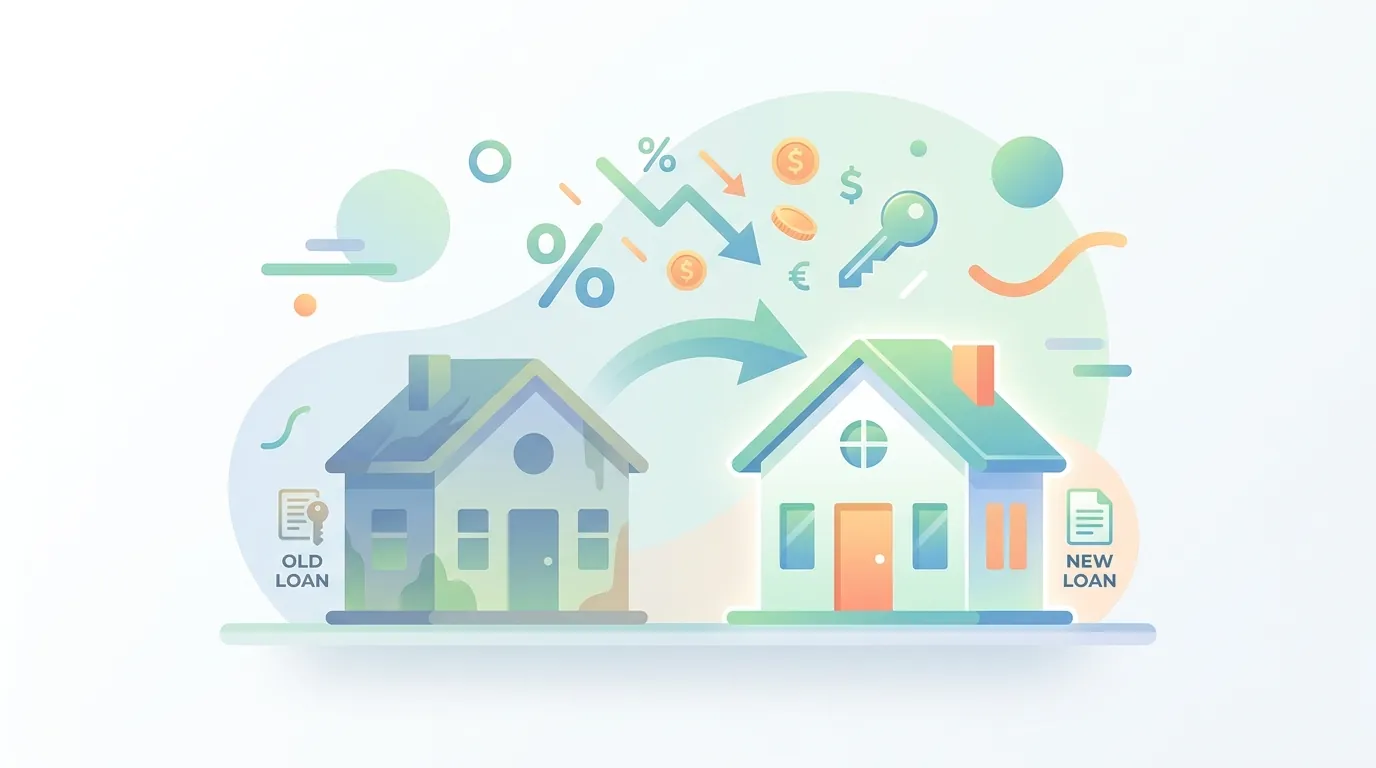
Debt consolidation is one of the most recognizable uses for a personal loan.
A borrower may have several credit card balances or other high-cost debts with different payment dates and interest rates. A personal loan can potentially replace multiple balances with one installment payment.
The appeal is partly administrative. Instead of tracking several accounts, the borrower may have one scheduled payment and one repayment timeline.
The financial benefit depends on the actual terms. A consolidation loan only reduces borrowing costs if its overall pricing and repayment structure are more favorable than the debts being replaced.
Borrowers should compare the new loan's APR, fees, repayment period, and total cost with the existing debts. A lower monthly payment alone does not establish that consolidation will save money.
It is also important to avoid treating a newly available credit card balance as additional spending capacity after consolidation. Otherwise, a borrower could end up with both the personal loan and new revolving balances.
Home Repairs and Renovation Projects
Personal loans can also finance home-related expenses.
A homeowner might need funds for:
- Roof repairs
- HVAC replacement
- Plumbing work
- Electrical repairs
- Kitchen improvements
- Bathroom renovations
- Accessibility modifications
- Major appliance replacement
A personal loan can be useful when the borrower needs a defined amount without using the home as collateral.
However, homeowners may also have access to other financing options, including home equity loans or home equity lines of credit. Those products have different eligibility requirements, costs, and risks.
The appropriate financing depends partly on the size and urgency of the project. A relatively contained repair may not justify complicated long-term financing, while a substantial renovation may require a different structure.
Before borrowing, homeowners should obtain realistic project estimates and determine whether the financing covers the actual cost without creating an unnecessarily large debt.
Medical and Dental Expenses
Unexpected medical or dental bills are another reason consumers may seek personal financing.
Examples can include:
- Dental procedures
- Elective medical procedures
- Veterinary expenses
- Medical equipment
- Follow-up treatment
- Other significant out-of-pocket costs
Before taking out a loan, borrowers may want to ask the provider whether a payment arrangement is available.
A provider payment plan can have a different cost structure from a personal loan, so the two should be compared rather than assuming one is automatically less expensive.
Medical expenses can also create a difficult timing problem: the expense may be immediate, while the borrower's ability to pay may depend on future income.
If financing becomes necessary, the borrower should make sure the resulting monthly payment remains manageable alongside regular household expenses.
Major Purchases
Personal loans can finance purchases that are too large to comfortably pay for with available cash.
Depending on the lender and the borrower's circumstances, this could include furniture, appliances, electronics, professional equipment, or other major purchases.
The flexibility can be convenient, but borrowing for a depreciating item deserves particular consideration.
A borrower could still be making payments after the purchased item has lost significant resale value. The longer the repayment period, the greater the possibility that the debt will outlast the useful or financial value of the purchase.
For discretionary purchases, waiting and saving may sometimes eliminate the need for financing altogether.
Vehicle-Related Expenses
Personal loans can sometimes be used for vehicle-related costs, although dedicated auto financing is another common option.
Potential expenses include:
- Major repairs
- Replacement vehicles
- Registration-related costs
- Vehicle modifications
- Insurance-related cash-flow needs
- Transportation expenses following an accident
An unsecured personal loan may provide flexibility because it is not necessarily tied to a particular vehicle.
A dedicated auto loan, however, is typically structured specifically around the purchase of a vehicle and may use the vehicle as collateral. Comparing the two requires looking at APR, fees, term, collateral requirements, and the amount ultimately repaid.
For an existing vehicle, a personal loan might be considered for a large repair when paying the entire bill from savings is not realistic.
Moving and Relocation Costs
Moving can generate a surprisingly large collection of expenses.
Renters or homeowners may face moving-company charges, security deposits, travel costs, temporary accommodation, furniture purchases, utility deposits, and other expenses that arrive close together.
A personal loan can spread those costs over a longer repayment period.
However, relocation borrowing should be evaluated against the reason for the move. If the move is connected to a new job, for example, the borrower should consider when the new income will actually begin and whether the loan payment remains manageable during the transition.
The key issue is matching the repayment obligation to reliable future cash flow rather than assuming an expected income increase will solve the problem.
Unexpected Expenses
Personal loans can also be used when an expense appears without enough warning to save for it.
Examples include emergency home repairs, large vehicle repairs, family-related expenses, or other urgent bills.
The CFPB specifically identifies unexpected expenses among potential uses for personal installment loans.
However, an emergency loan should be evaluated differently from discretionary borrowing.
The first step is determining whether the expense can be reduced, delayed, negotiated, or paid through an existing emergency fund. If borrowing is necessary, compare the total cost of the available financing rather than accepting the first offer because it provides funds quickly.
Financing a Large Life Event
Personal loans can sometimes be used for large one-time events such as weddings, relocations, or other major household expenses.
This is where flexibility can become both useful and risky.
Unlike a necessary home repair or unexpected medical bill, many event-related expenses can potentially be adjusted. Borrowing allows the expense to happen now, but the payments continue after the event is over.
Before financing a major event, borrowers should calculate the total cost and determine whether the resulting monthly obligation fits comfortably into the post-event budget.
A memorable event should not create a repayment schedule that interferes with essential expenses for years afterward.
Education and Career Expenses
Some borrowers use personal loans for education-related or career-development costs.
Examples can include professional certification programs, equipment needed for work, relocation for a new position, or training expenses.
Education financing requires particular care because federal student loans and other education-specific products may have features that personal loans do not.
A personal loan should not automatically be treated as a substitute for specialized education financing. Borrowers should compare interest rates, repayment protections, eligibility requirements, and other terms before deciding how to fund education or career expenses.
Business and Self-Employment Expenses
Personal loans may also be used by entrepreneurs or self-employed individuals for business-related expenses, although the distinction between personal and business financing is important.
A business owner might need money for equipment, inventory, marketing, software, or short-term operating expenses.
Using personal credit for a business can expose the individual to personal repayment obligations even when business revenue does not materialize as expected.
Before using a personal loan for business purposes, borrowers should consider whether a business credit card, business line of credit, equipment financing, or another commercial product is more appropriate.
Business expenses should also be tracked separately from personal spending for accounting and tax purposes.
Understanding the Cost of Flexible Financing
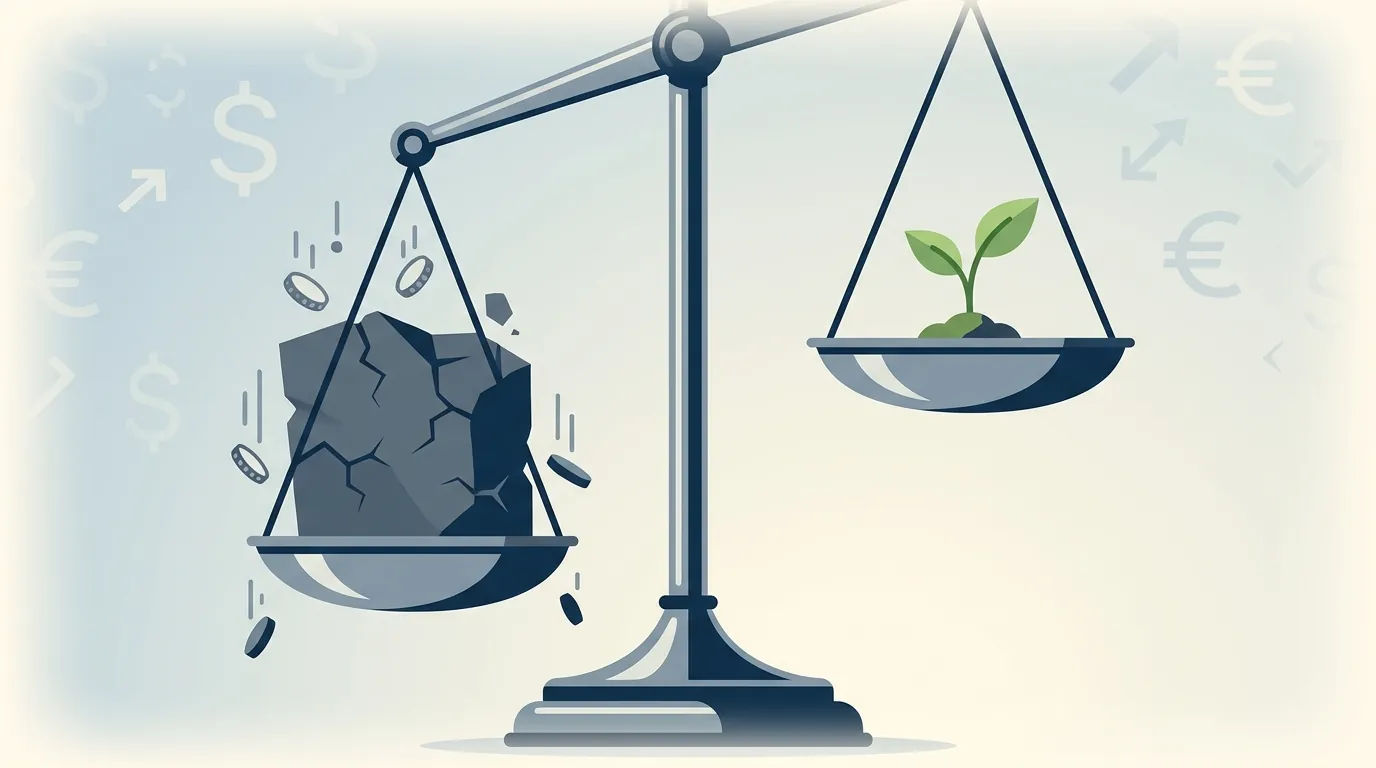
The primary advantage of a personal loan is flexibility, but flexibility does not eliminate borrowing costs.
Personal installment loans can include origination fees, documentation fees, optional insurance charges, and late fees in addition to interest.
The APR can provide a more useful comparison than the advertised interest rate because it incorporates the interest rate and certain additional fees. The CFPB's current guidance explains that APR includes the interest rate plus additional lender charges such as origination fees.
Consider the complete financing picture:
Amount borrowed + interest + applicable fees = overall borrowing cost
The repayment term matters as well. A longer term may lower the required monthly payment while increasing the amount of interest paid over time.
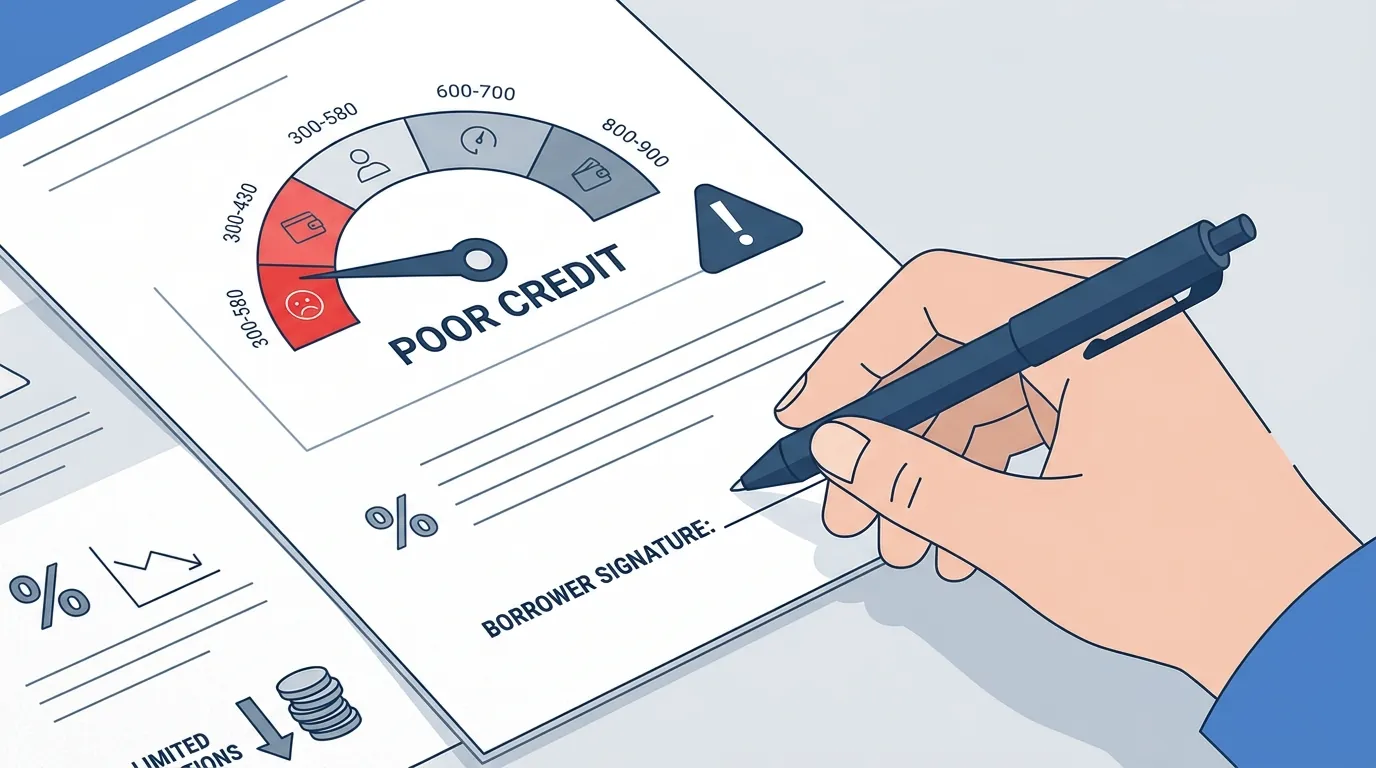
Credit and Income Can Affect the Offer
Personal loan terms are not identical for every borrower.
The CFPB says lenders may consider credit scores and reports, income, existing debts, the requested loan amount and duration, applicable state-law limits, and other information when determining personal loan terms.
This means the advertised rate or payment seen in an advertisement may not be the rate ultimately offered to a particular applicant.
Before applying, borrowers can review their credit reports for inaccuracies and assess their existing debt obligations.
Comparing multiple loan offers can also reveal differences in APR, fees, repayment periods, and payment amounts.
When a Personal Loan May Not Be the Right Tool
The flexibility of a personal loan can make it tempting to use one whenever a large expense appears, but borrowing is not always the appropriate response.
A personal loan may be less suitable when:
- The expense is small enough to cover from available cash
- The purchase is discretionary and can be postponed
- The monthly payment would strain the budget
- The loan's total cost is substantially higher than alternatives
- The borrower is using new debt to repeatedly cover an ongoing budget deficit
- A specialized financing product offers materially different protections or terms
- The borrower cannot identify a reliable source for future payments
Recurring cash-flow problems are particularly important.
If someone repeatedly needs loans to cover ordinary monthly expenses, the underlying problem may be a persistent gap between income and spending rather than a temporary financing need.
Beware of Personal Loan Scams
Consumers looking for flexible financing can encounter fraudulent loan advertisements, especially online.
The FTC warns about advance-fee loan scams in which fraudsters promise credit regardless of a person's credit history and then demand an upfront payment for processing, insurance, or another supposed requirement.
Unexpected loan texts can also be fraudulent. The FTC warned in 2026 about messages claiming recipients were preapproved for loans they never requested and attempting to obtain Social Security numbers or bank-account information.
Consumers should verify the identity of the lender, understand all fees before providing sensitive information, and avoid paying someone simply because they promise guaranteed approval.
A Practical Framework for Evaluating a Personal Loan
Before accepting financing, consider the purpose of the loan first.
Ask whether the expense is necessary, whether it can be delayed, and whether another payment arrangement exists.
Then evaluate the financing itself.
Look at:
- Amount you actually need
- APR
- Interest rate
- Origination and other fees
- Monthly payment
- Number of payments
- Total repayment amount
- Prepayment terms
- Late-payment consequences
- Whether the rate is fixed or adjustable
The CFPB recommends reviewing the costs and fees associated with personal installment loans and comparing offers before committing.
The objective is not simply to find a lender willing to provide the requested amount. It is to understand what taking that money will mean for the household budget over the entire repayment period.
Final Considerations
Personal loans can provide useful flexibility when a borrower needs a defined amount of money for a major purchase, debt consolidation, home repair, unexpected expense, relocation, or another substantial cost.
That flexibility comes with a price.
Interest, APR, fees, repayment length, and credit requirements can substantially change the economics of a loan. A manageable monthly payment can still result in significant total borrowing costs, particularly when repayment extends over several years.
The most important step is matching the financing structure to the actual need. Borrow only what is necessary, compare the complete cost of available options, and make sure the payment fits within the budget after essential expenses and existing debts are accounted for.
A personal loan can solve a specific financing problem, but the decision should be based on the full repayment obligation—not simply on how quickly the money can reach a bank account.
References
- Consumer Financial Protection Bureau — What Is a Personal Installment Loan? Consumer Financial Protection Bureau
- Consumer Financial Protection Bureau — Do Personal Installment Loans Have Fees? Consumer Financial Protection Bureau
- Consumer Financial Protection Bureau — What Is the Difference Between a Loan Interest Rate and the APR? Consumer Financial Protection Bureau
- Consumer Financial Protection Bureau — What Should I Look for When Shopping for a Personal Line of Credit? Consumer Financial Protection Bureau
- Federal Trade Commission — What To Know About Advance-Fee Loans Federal Trade Commission
- Federal Trade Commission — Can You Spot a Fake Loan Text Scam? Federal Trade Commission