Borrowing money involves more than comparing interest rates. One of the most important structural differences between loans is whether the debt is secured by collateral or unsecured.
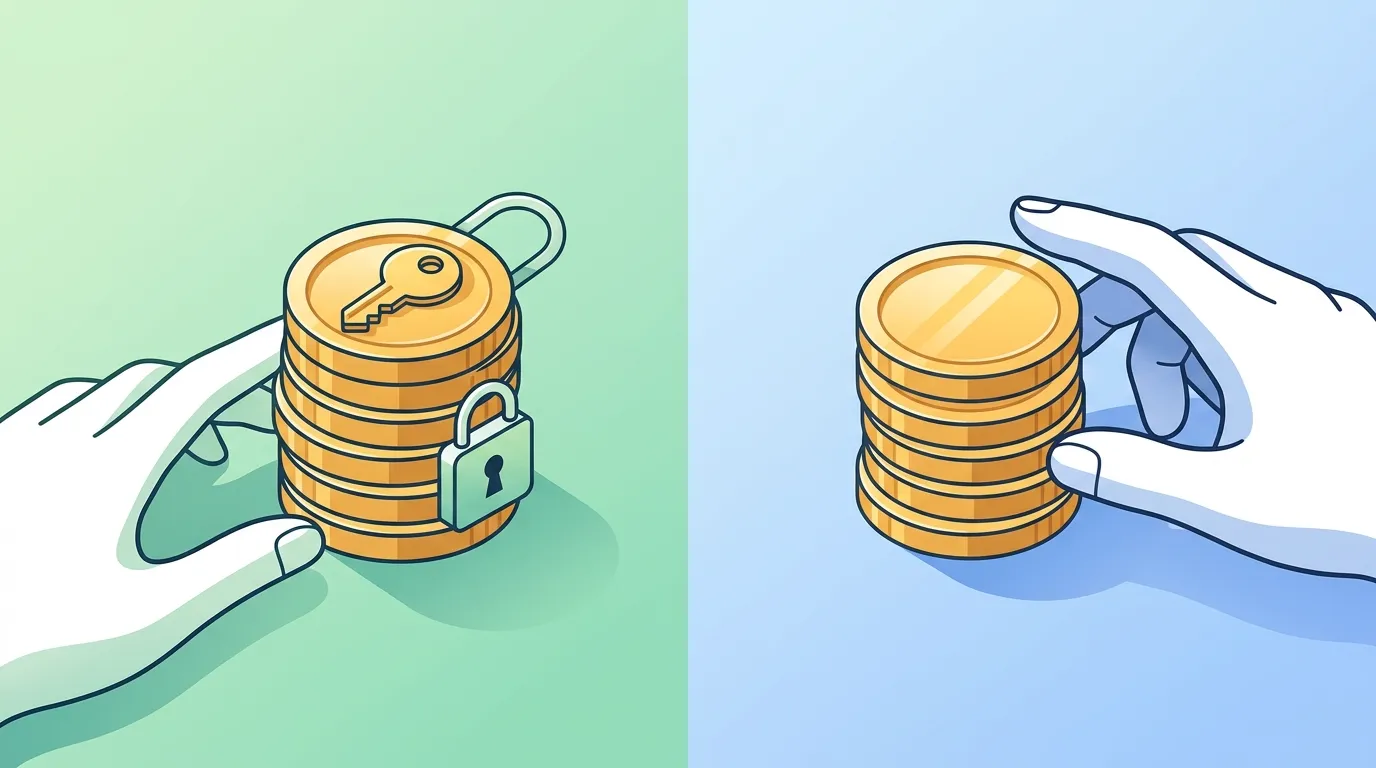
A secured loan is backed by an asset that the lender can generally claim if the borrower defaults. An unsecured loan does not give the lender a specific asset as collateral. Instead, approval and pricing depend more heavily on the borrower's creditworthiness, income, existing debts, and other financial information.
The Consumer Financial Protection Bureau (CFPB) defines a secured loan as one in which property owned by the borrower is used as collateral. If the borrower fails to repay, the lender may be able to take the collateral, while also pursuing other collection remedies permitted by law.
Understanding the distinction can help borrowers evaluate not only the interest rate and monthly payment, but also what is financially at risk if repayment becomes difficult.
What Is a Secured Loan?
A secured loan is a loan backed by collateral.
The collateral is an asset that provides additional security to the lender. Depending on the loan, it could be:
- A home
- A vehicle
- Equipment
- Investment assets
- Cash or a deposit
- Other qualifying property
A mortgage is a common example. The home generally serves as collateral for the mortgage. An auto loan similarly uses the financed vehicle as collateral. The CFPB identifies mortgages, auto loans, and other asset-backed financing as examples of secured credit.
If the borrower defaults, the lender's rights depend on the loan agreement and applicable law. For a mortgage, foreclosure may ultimately allow the lender to recover the property. For an auto loan, repossession may be possible.
The presence of collateral reduces some of the lender's credit risk because there is an identifiable asset supporting the obligation.
What Is an Unsecured Loan?
An unsecured loan does not have a specific asset pledged as collateral.
Common examples include:
- Many personal loans
- Credit cards
- Many student loans
- Personal lines of credit
The CFPB identifies credit cards, student loans, and personal loans as examples of unsecured debt.
Because the lender does not have a specific asset securing the balance, underwriting can place greater emphasis on the borrower's financial profile.
Lenders may examine:
- Credit scores
- Credit reports
- Income
- Employment
- Existing debts
- Debt-to-income ratio
- Payment history
- Requested loan amount
- Loan term
The lender can still pursue collection if the borrower fails to repay. "Unsecured" does not mean that the debt disappears when a borrower defaults.
The CFPB notes that borrowers who fail to repay unsecured debt can still face debt collection and potential legal action.
Secured vs. Unsecured Loans at a Glance
| Feature | Secured Loan | Unsecured Loan |
|---|---|---|
| Collateral | Required | Not specifically pledged |
| Lender's risk | Partially supported by collateral | Primarily based on borrower's creditworthiness |
| Interest rate | May be lower depending on product and borrower | May be higher depending on credit risk |
| Credit requirements | Vary | Can be more demanding for larger loans |
| Borrowing amount | Can potentially be higher | Often constrained by credit and income |
| Default risk | Collateral may be repossessed or foreclosed | No specific pledged asset, but collections may follow |
| Common examples | Mortgages, auto loans, some business loans | Personal loans, credit cards, many student loans |
| Application complexity | May require appraisal or collateral documentation | Often focused on borrower financial information |
These are general characteristics rather than guarantees. Individual lenders can structure products differently.
Why Collateral Matters
Collateral changes the lender's position if the borrower stops making payments.
Suppose someone borrows $30,000 to purchase a vehicle. If the vehicle secures the loan and the borrower defaults, the lender may have rights to repossess the vehicle under the loan agreement and applicable law.
Now consider a $30,000 unsecured personal loan. There is no specific vehicle, home, or other asset pledged to that particular debt.
The lender still has a claim for repayment, but it does not begin with a designated piece of collateral that can simply be taken because of the default.
This difference helps explain why secured and unsecured loans can have different pricing and underwriting requirements.
Interest Rates and Borrowing Costs
Collateral can affect the interest rate a lender is willing to offer, although it does not automatically guarantee a lower rate.
When a lender has collateral, its potential loss in a default can be reduced compared with a similar unsecured loan. This may allow the lender to offer different terms.
For example, a borrower might compare:
Secured loan
- $25,000 principal
- 8% fixed interest
- Five-year term
- Vehicle pledged as collateral
Unsecured loan
- $25,000 principal
- 12% fixed interest
- Five-year term
- No collateral
The unsecured loan carries a higher hypothetical interest rate, but it also does not place the borrower's vehicle directly at risk.
The actual rate offered by a lender will depend on the product, borrower, collateral, loan amount, term, and other underwriting factors.
Borrowers should also account for fees. The CFPB notes that personal installment loans can involve origination, documentation, late-payment, and other fees that affect total borrowing costs.
Credit Requirements
Credit history matters for both types of loans.
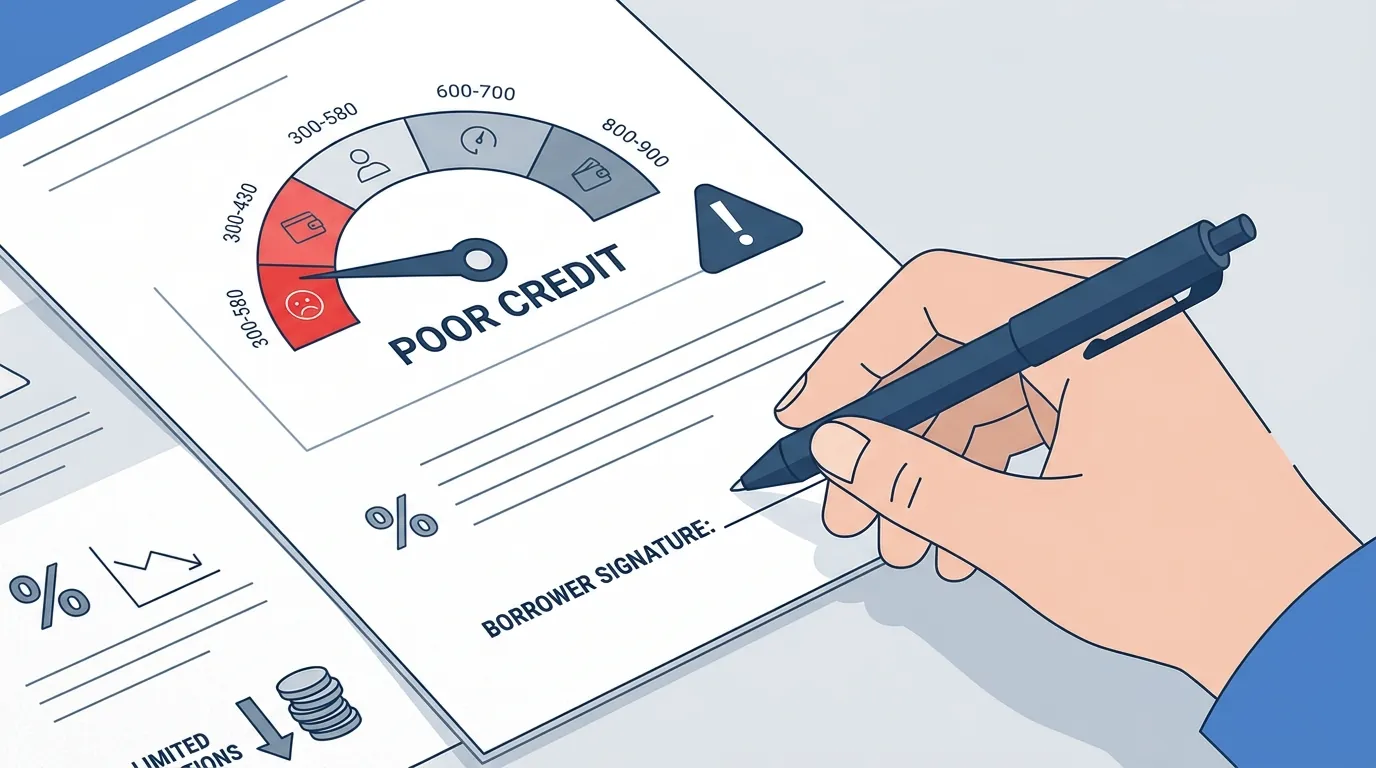
A secured loan is not necessarily available to someone with poor credit simply because collateral is available. The lender may still evaluate income, repayment capacity, credit history, the value of the collateral, and other factors.
Unsecured borrowing can place greater emphasis on creditworthiness because there is no specific asset securing the debt.
The CFPB notes that credit history can affect whether consumers qualify for loans and the interest rates they receive.
For borrowers with limited or damaged credit, a secured structure may sometimes provide an additional route to financing, although approval is never guaranteed.
Loan-to-Value and Collateral Value
For many secured loans, the lender considers the relationship between the loan amount and the value of the collateral.
This is commonly expressed as a loan-to-value ratio (LTV).
For example:
Property value: $300,000 Loan amount: $210,000
LTV = $210,000 ÷ $300,000 = 70%
The lender has $300,000 of stated collateral supporting a $210,000 loan, although the property's actual liquidation value could differ from its appraised or estimated market value.
Lower LTV can provide the lender with a larger equity cushion.
Collateral value can also change. A vehicle generally depreciates, while real estate values can rise or fall with market conditions. That means the lender's initial assessment of collateral does not eliminate risk.
What Happens If You Default?
Default is where the distinction becomes especially important.
With a secured loan, the lender may have the right to take possession of or foreclose on the collateral, depending on the type of property and applicable law.
With an unsecured loan, there is no specific collateral for the lender to repossess. However, the borrower can still face:
- Late fees
- Collection activity
- Negative credit reporting
- Lawsuits
- Court judgments
- Other legally permitted collection actions
The CFPB specifically notes that secured-loan borrowers can face loss of collateral, while both secured and unsecured borrowers can face debt collection or legal action following nonpayment.
The consequences of a default therefore extend beyond simply losing access to the loan.
Secured Personal Loans
Personal loans are commonly unsecured, but some lenders offer secured personal-loan products.
A borrower might pledge:
- Savings
- A vehicle
- Other qualifying assets
The lender then establishes a security interest in the asset.
A secured personal loan can potentially offer different rates or borrowing amounts from an unsecured personal loan, but the borrower assumes the additional risk associated with pledging property.
A lower monthly payment does not eliminate that risk.
Secured and Unsecured Lines of Credit
The same distinction applies to lines of credit.
A personal line of credit is generally unsecured, while a HELOC is secured by the borrower's home.
The CFPB specifically distinguishes personal lines of credit from HELOCs on this basis.
With an unsecured personal line of credit, the lender evaluates the borrower's creditworthiness without taking a specific asset as collateral.
A HELOC, by contrast, uses home equity as security. If the borrower cannot repay the debt, the home can be exposed to foreclosure risk.
This makes the interest rate only one part of the comparison.
Mortgages Are Secured Loans
A mortgage is one of the most significant examples of secured borrowing.
The property serves as collateral for the debt. If the borrower fails to meet the mortgage obligation, foreclosure proceedings may ultimately allow the lender to recover the property, subject to applicable law.
Homeowners therefore need to consider more than the monthly mortgage payment.
The financing decision also involves:
- Down payment
- Interest rate
- Loan term
- Closing costs
- Property taxes
- Homeowners insurance
- Mortgage insurance when applicable
- Maintenance expenses
- Equity risk
A mortgage can provide access to substantial financing because the lender has an interest in a valuable asset, but that same structure puts the property at risk if the borrower cannot maintain payments.
Auto Loans and Vehicle Collateral
Auto financing is another common secured-loan structure.
The vehicle typically serves as collateral for the loan. This can allow lenders to provide financing for a purchase while retaining a security interest in the vehicle.
Borrowers should consider depreciation when evaluating the loan.
If the vehicle loses value faster than the loan balance declines, the borrower can owe more than the vehicle is worth. This can create a gap if the vehicle is sold or totaled.
That makes the amount financed, down payment, interest rate, loan term, and vehicle value important considerations.
Business Loans Can Be Either Secured or Unsecured
Businesses can use both secured and unsecured financing.
A secured business loan might use:
- Equipment
- Inventory
- Accounts receivable
- Real estate
- Other business assets
An unsecured business loan may instead rely primarily on the company's financial condition and the owner's credit profile or personal guarantee.
The CFPB notes that business loans can involve business equipment, other business assets, or personal assets being pledged as collateral.
For business owners, collateral requirements should be reviewed alongside personal guarantees. A loan can be secured by business assets while also creating personal obligations for the owner under the guarantee.
How Loan Terms Can Differ
Borrowers should compare more than whether collateral is required.
Important terms include:
Interest rate
Determine whether the rate is fixed or variable and how it can change.
APR
APR can provide a broader measure of borrowing cost when applicable, incorporating interest and certain finance charges.
Loan term
A longer repayment period can reduce the monthly payment but may increase total interest.
Fees
Review origination, documentation, late-payment, annual, and other applicable fees.
Prepayment
Check whether the lender charges a prepayment penalty or otherwise restricts early payoff.
Collateral requirements
Determine exactly which asset is pledged and how the lender's security interest works.
Default provisions
Understand what happens after missed payments and what remedies the lender can use.
When Collateral Creates a Significant Risk
Borrowers should be especially cautious when the collateral is an essential asset.
Using a vehicle as collateral for a loan may create problems if losing the vehicle would interfere with employment or daily responsibilities.
Using a home as collateral creates an even larger financial consequence because failure to repay can put the borrower's housing at risk.
A lower interest rate does not necessarily compensate for the additional asset-level risk.
The right comparison therefore involves both cost and consequences.
A Simple Cost-and-Risk Comparison
Consider a borrower who needs $40,000.
Option A: Secured loan
- 8% fixed rate
- Five-year term
- $40,000 borrowed
- Vehicle pledged as collateral
Option B: Unsecured loan
- 11% fixed rate
- Five-year term
- $40,000 borrowed
- No collateral
The secured loan may produce a lower monthly payment and lower total interest because of its hypothetical lower rate.
But the borrower must also consider what happens if payments become unaffordable.
If the pledged vehicle is essential to earning income, the financial consequences of default could be much greater than the difference in interest expense suggests.
This is why borrowers should evaluate the entire financial exposure, not just the APR.
Questions to Ask Before Choosing a Loan
Before accepting either type of financing, borrowers can ask:
- Is collateral required?
- Exactly what asset will secure the loan?
- How is the collateral valued?
- What LTV requirement applies?
- What is the interest rate?
- What is the APR?
- Is the rate fixed or variable?
- What fees apply?
- What is the total repayment amount?
- Are there prepayment penalties?
- What happens after a missed payment?
- When can the lender take action against the collateral?
- Is a personal guarantee required?
- Can the lender require additional collateral later?
- What happens if the collateral loses value?
Getting these answers before signing can reveal differences that are not obvious from a monthly payment advertisement.
Which Structure Fits the Borrowing Need?
Secured and unsecured loans serve different financing purposes.
Secured financing can be useful when a borrower has an appropriate asset to pledge and wants financing structured around that collateral. Mortgages and auto loans are familiar examples, while secured business loans can use equipment, real estate, inventory, or other assets.
Unsecured financing can be useful when the borrower does not want to place a particular asset at risk. Personal loans and many credit cards fall into this category.
The decision should not be based solely on whether one structure has a lower interest rate.
Instead, borrowers should compare:
- Interest rate
- APR
- Fees
- Monthly payment
- Total repayment
- Loan term
- Credit requirements
- Collateral risk
- Default consequences
- Prepayment terms
A secured loan may reduce borrowing costs in some circumstances, but it places a specific asset behind the debt. An unsecured loan removes that particular collateral risk but can involve different pricing and qualification standards.
Understanding that tradeoff is essential before taking on either form of debt.
References
- Consumer Financial Protection Bureau — Secured Loans Definition CFPB Financial Terms Glossary
- Consumer Financial Protection Bureau — Secured vs. Unsecured Loans CFPB: Differentiating Secured and Unsecured Loans
- Consumer Financial Protection Bureau — Personal Installment Loan Fees CFPB: Personal Installment Loan Fees
- Consumer Financial Protection Bureau — Personal Lines of Credit CFPB: Personal Lines of Credit
- Federal Deposit Insurance Corporation — Loans and Security Interests FDIC: Loans — General Provisions